

Table of Contents
Active learning is a cool way for students to learn that involves doing things, not just sitting and listening. It’s like learning by playing! In active learning, students are not passive listeners; instead, they are active participants in their own learning process. This blog will explain what active learning is, why it’s important, and some fun ways students can use active learning to improve their learning experience.
“Education is not the filling of a pail, but the lighting of a fire.” – William Butler Yeats
What is Active Learning?
Active learning means students get involved in their learning process. Instead of just listening to a teacher talk or reading from a book, students do activities that help them understand the topic better. It’s like when you learn how to ride a bike; you don’t learn just by watching someone else ride, you have to try it yourself!
In active learning, students might work in groups, solve problems, ask questions, or even teach each other. These activities help students think critically, understand concepts deeply, and remember information better. It makes learning more engaging and enjoyable.
Why is Active Learning Important?
Active learning is important because it helps students learn better and remember more. When students are actively involved in their learning, they become more motivated and interested in the subject. Instead of feeling bored or confused, they feel excited and eager to learn. This enthusiasm helps them stay focused and engaged, leading to better understanding and retention of the material.
Active learning also helps students develop important skills like teamwork, problem-solving, and communication. These skills are valuable not only for academic success but also for success in life. By practicing active learning, students become better learners and better prepared for the future.
Fun Ways to Use Active Learning
There are many fun ways students can use active learning to enhance their learning experience. Here are some ideas:
Interactive Quizzes:

Interactive quizzes use technology and game-based formats to assess students’ understanding of the material in a fun and engaging way. Instead of traditional pen-and-paper quizzes, teachers can use online platforms like Kahoot!, Quizizz, or others to create interactive quizzes that allow for real-time feedback and friendly competition. These quizzes might include multiple-choice questions, true/false statements, or short-answer questions related to the lesson. Students can answer questions individually or in teams, and they can see their scores and rankings on a leaderboard as they play. This gamified approach motivates students to actively participate and test their knowledge while making learning more enjoyable.
Peer Teaching:
Peer teaching encourages students to take on the role of teacher by explaining concepts or leading activities for their peers. This approach not only reinforces their own understanding of the material but also promotes collaboration and peer-to-peer learning. For example, students might work in pairs or small groups to prepare mini-lessons, demonstrations, or presentations on specific topics. They can then share their knowledge with the class, answer questions, and facilitate discussions. Peer teaching helps students develop communication skills, empathy, and confidence in their abilities to teach and learn from others.
Learning Stations:
Learning stations are like mini learning hubs set up around the classroom, each focusing on a specific aspect of the lesson or topic being studied. For example, if the lesson is about ecosystems, one station might have materials for students to build a model ecosystem, another station might have books or articles to read about different ecosystems, and another station might have a video or interactive presentation to watch. Students rotate through these stations in small groups, spending a set amount of time at each one. At each station, students engage in hands-on tasks, discussions, or experiments related to the topic. This approach allows students to explore different aspects of the lesson in a more interactive and dynamic way.
Mystery Bag:
The mystery bag is a fun and engaging way to encourage critical thinking and creativity. The teacher fills a bag with objects or images that are related to the lesson or topic being studied. These objects could be items found in nature, historical artifacts, scientific tools, or anything else relevant to the lesson. Students take turns reaching into the bag, pulling out an item, and then discussing its relevance to the topic. They might talk about how it connects to what they’ve been learning, how it might have been used in the past, or how it relates to other concepts. This activity encourages students to think critically and make connections between different ideas.
Scavenger Hunt:
A scavenger hunt is a fun and interactive way to get students moving and actively searching for information related to the lesson. The teacher creates a list of clues or tasks that students need to complete in order to find specific items or information. These clues might involve solving riddles, deciphering codes, or completing challenges that require students to apply their knowledge of the topic. For example, if the lesson is about historical figures, students might have to find and photograph landmarks related to those figures, or if the lesson is about ecosystems, students might have to identify different plants or animals in the schoolyard. This activity not only reinforces what students have learned but also encourages teamwork and problem-solving skills.
Role-Playing:
Role-playing allows students to step into the shoes of different characters or scenarios related to the lesson. The teacher assigns roles to students based on historical figures, literary characters, scientific concepts, or other relevant topics. Students then act out scenes, engage in debates, or solve problems from the perspective of their assigned roles. For example, if the lesson is about the exploration of space, students might role-play as astronauts, engineers, or mission control specialists, simulating a space mission and making decisions as if they were part of a real space exploration team. This approach makes learning more immersive and interactive, allowing students to see things from different perspectives and gain a deeper understanding of the material.
Creative Projects:
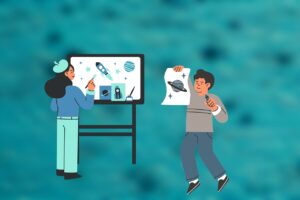
Creative projects allow students to express their understanding of the material in creative and imaginative ways. Instead of just writing essays or taking tests, students can choose from a variety of project options that tap into their individual interests and talents. For example, they might create posters, videos, songs, poems, infographics, dioramas, or digital presentations related to the lesson. These projects not only reinforce key concepts but also allow students to showcase their creativity and originality. They can work individually or in groups, and they can present their projects to the class or share them online.
Outdoor Learning:
Outdoor learning takes the lesson outside the classroom whenever possible, providing a change of scenery and stimulating different senses. Teachers can conduct experiments, nature walks, historical re-enactments, or other activities in outdoor settings that relate to the lesson. For example, if the lesson is about plant life cycles, students might observe and sketch different plants in the school garden, or if the lesson is about local history, students might visit nearby landmarks or historical sites. Outdoor learning not only enhances students’ understanding of the material but also promotes physical activity, curiosity, and appreciation for the natural world.
Gamification:
Gamification turns learning into a game by introducing elements such as points, levels, badges, and rewards. Teachers can create custom games or use existing game-based platforms to gamify lessons and activities. For example, they might award points for completing tasks, achieving milestones, or demonstrating mastery of certain skills. Students can track their progress and compete against themselves or their classmates to earn rewards or move up in levels. This gamified approach makes learning more engaging and motivating, encouraging students to actively participate and progress through the material.
Debate or Discussion Circles:
Debate or discussion circles provide a structured format for students to share their perspectives, argue their points, and listen to opposing viewpoints. The teacher can assign topics or questions related to the lesson and divide the class into small groups or pairs. Each group takes turns discussing the topic, presenting their arguments, and responding to counterarguments. This activity fosters critical thinking, communication skills, and respect for diverse opinions. It also encourages students to consider different viewpoints and develop persuasive arguments based on evidence and reasoning.
Conclusion
Active learning is a fun and effective way for students to learn. By actively engaging in their learning process through activities, games, and simulations, students can improve their understanding, retention, and enjoyment of the material. Whether it’s through group activities, interactive technology, problem-based learning, or peer teaching, there are plenty of exciting ways for students to incorporate active learning into their studies. So, next time you’re in class, don’t just sit back and listen—get active and start learning!
Featured reads

Mindful Shots, Volume-1
Most people live their entire lives without truly understanding how their minds work or the immense power they hold within. Fewer than two percent of people can confidently answer questions like: What drives my thoughts? Why do I feel resistance to my own goals? You’ve likely experienced moments when you wanted to take a bold step—perhaps starting a new business or making a life-changing decision—only to hear an inner voice warning you of failure. That voice often justifies its fears by recalling countless stories of others’ setbacks—family members, friends, society, even distant headlines. It’s as if your mind maintains a detailed archive of every failure around you, replaying them to keep you from moving forward. But what if this inner voice could be understood, reprogrammed, and even turned into your greatest ally? Imagine what would be possible if both your conscious intentions and subconscious patterns worked together instead of pulling in opposite directions. This collection, Mindful Shots, brings together some of the most insightful writings on mindfulness from Fastlane Freedom. Each piece explores practical and scientific perspectives on how the mind shapes our choices, influences our health, and even participates in physical healing. Through research-backed insights and timeless wisdom, this book will help you see that the mind isn’t just a passive observer—it’s an active force capable of changing your reality. By learning how to quiet the noise, shift your mental inputs, and harness your inner voice, you’ll gain a clearer path to personal growth, emotional balance, and a deeper understanding of what mindful living truly means.

Parenting Essentials
Parenting is a journey—one of the most rewarding, challenging, and transformative experiences life has to offer. But it’s not a path we are meant to walk alone. Essential Parenting was born out of a deep desire to support and empower parents at every stage of their journey, from the early days of pregnancy to the complex teenage years. Drawing insights from the Fastlane Freedom platform, this book brings together wisdom, mindfulness, and practical strategies to help you raise confident, emotionally strong, and value-driven children. At Fastlane Freedom, we believe that conscious parenting begins with self-awareness. Children absorb more from our behaviour than our words. It’s in our everyday actions—our calm during chaos, our patience in moments of frustration, our consistency in values—that they find their foundation. Parenting is not about being perfect; it’s about being present, intentional, and compassionate.

The Wealth Code, Volume-1
The Wealth Code: Volume-1 is a personal development and financial education book written by Vinod Singh. It is designed to empower readers by teaching them principles of wealth creation, financial freedom, and personal growth. The book offers practical strategies to achieve financial success, with a vision to uplift and transform the lives of millions by promoting financial literacy and entrepreneurial thinking. Mr. Singh's approach is rooted in inspiring individuals to take control of their financial destinies while cultivating a mindset focused on long-term success and abundance.