
Table of Contents
In a world full of distractions, advertisements, and social media updates, life can often feel cluttered. We’re constantly surrounded by things urging us to buy more, do more, and be more. But what if the key to a fulfilling life, especially as a student, is not about having more but about having less? This is the concept of minimalism—a lifestyle focused on simplicity and purpose.
Minimalism might sound like a big change, but it doesn’t have to be complicated. At its core, minimalism is about reducing what doesn’t add value to your life, so you can focus more on what does. For students, this can mean having less stress, clearer goals, and a more focused mind. Here’s a guide to understanding minimalism, why it’s helpful for students, and how you can start your own minimalism journey.
“It’s not the daily increase but daily decrease. Hack away at the unessential.” – Bruce Lee
What is Minimalism?
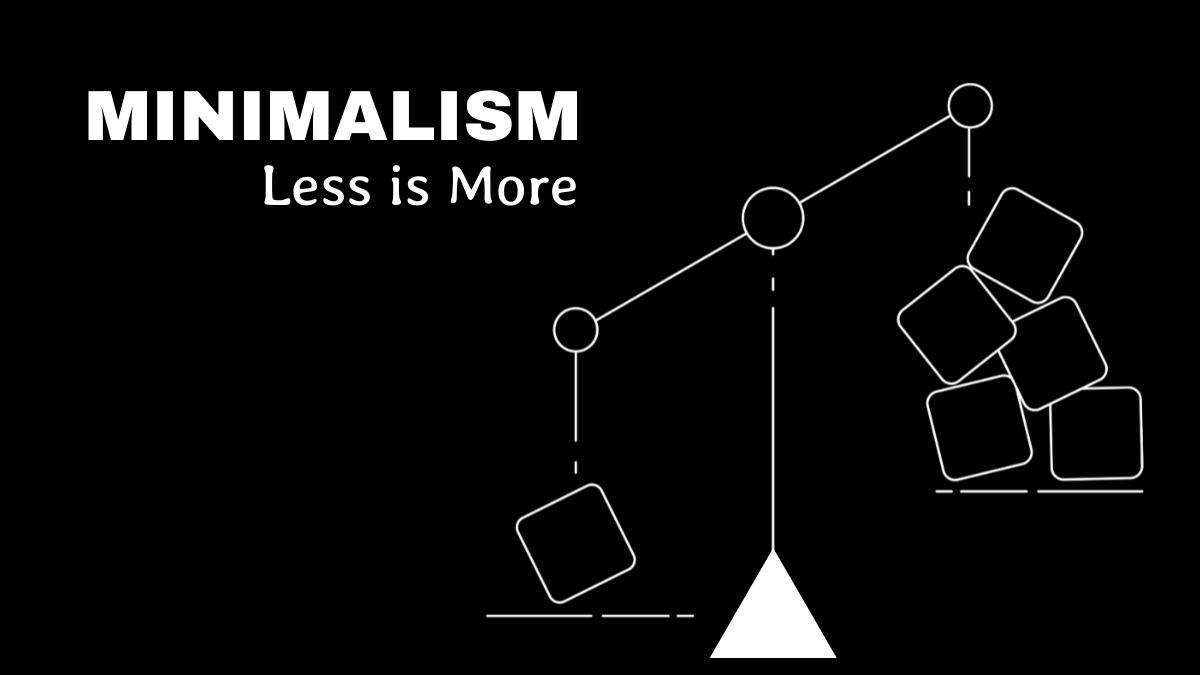
Minimalism is a way of living that encourages people to reduce unnecessary possessions, activities, and distractions. Minimalists choose to live with only what they need and find truly important. This doesn’t mean giving up everything you own but rather removing the things that don’t serve a meaningful purpose in your life. With fewer distractions and belongings, minimalism helps people focus on what matters most, like relationships, personal growth, and fulfilling goals.
In a student’s life, minimalism can mean many things. It might mean decluttering your room, reducing your digital distractions, or cutting down on activities that waste time. The goal is to simplify your life, making room for what truly matters, like your studies, friendships, hobbies, and well-being.
Why Minimalism is Helpful for Students
Living minimally can bring several benefits, especially for students who are often juggling many responsibilities. Here are some reasons why minimalism is worth considering:
- Less Stress : A cluttered environment can lead to a cluttered mind. Studies show that a tidy and organized space can help reduce stress and improve focus. By owning fewer things and keeping your space organized, you’ll have a clearer mind, making it easier to focus on your studies.
- More Focus on Studies: Minimalism encourages you to identify your priorities. For students, this often includes academics, personal growth, and future goals. By cutting out distractions, you can put more time and energy into what matters most, like preparing for exams or developing useful skills.
- Better Financial Management: Adopting minimalism can also help you save money. If you focus on buying only what you truly need, you’ll spend less on things like clothes, gadgets, and other impulse buys. This can make a big difference, especially if you’re living on a student budget.
- Increased Productivity: When you live with less, you’ll spend less time managing your stuff, allowing you to spend more time doing things that matter. With a minimalist lifestyle, you can have a more productive schedule, as you won’t be overwhelmed by unnecessary activities or clutter.
- More Personal Growth: Minimalism helps you focus on self-improvement and personal goals. Instead of chasing after things, you can focus on developing new skills, building stronger relationships, and understanding yourself better. Minimalism can lead to greater self-awareness, which is valuable for students who are figuring out their future.
How to Start a Minimalist Lifestyle as a Student
If minimalism sounds appealing, here’s how you can start making changes in your life as a student. Remember, it’s a journey, so start small and don’t rush.
1. Declutter Your Room
Your living space is a great place to start with minimalism. A cluttered room can distract you from your studies and make it harder to relax. Begin by going through your belongings and deciding what you really need. Ask yourself questions like, “Do I use this regularly?” and “Does this item add value to my life?”
- Start with Small Areas: Don’t tackle your entire room at once. Start with a single drawer, shelf, or closet. Slowly work your way through each area, only keeping items that are useful or bring you joy.
- Let Go of Duplicates: If you have multiple items that serve the same purpose, keep the best one and let go of the rest.
- Donate or Sell Unwanted Items: If you have items in good condition that you don’t need, consider donating or selling them. It’s a great way to help others and make some extra money.
2. Minimize Digital Clutter
Digital clutter can be as distracting as physical clutter. Unorganized files, unnecessary apps, and constant notifications can add stress to your life.
- Organize Your Files: Create folders for your school assignments, personal projects, and other important documents. Delete files that you no longer need.
- Limit Social Media Use: Social media can easily consume hours of your day. Try setting a time limit on your usage, or consider removing apps that distract you.
- Unsubscribe from Unnecessary Emails: Over time, we end up subscribed to many email lists that fill our inbox with spam. Go through your emails and unsubscribe from anything you don’t find useful.
3. Simplify Your Schedule
As a student, your time is valuable. A minimalist approach to scheduling means focusing only on the activities that align with your goals and values.
- Prioritize Important Activities: Identify the activities that are truly important to you, like study groups, exercise, or volunteering. Let go of any activities that feel like unnecessary commitments.
- Say No to Unnecessary Obligations: If you’re overwhelmed with commitments, it’s okay to say no. Politely decline any invitations or requests that don’t align with your goals.
- Set Time for Relaxation: A minimalist lifestyle isn’t just about doing less—it’s also about finding time for rest and relaxation. Schedule time to unwind so you can recharge.
4. Practice Mindful Consumption
One key aspect of minimalism is being intentional about what you buy and own. Mindful consumption means buying things because they serve a real purpose, not because of impulse.
- Avoid Impulse Buying: Before making a purchase, ask yourself if you really need the item. Will it add value to your life? If not, consider saving your money.
- Choose Quality over Quantity: Instead of buying many cheap items, consider investing in fewer high-quality things that will last longer.
- Be Grateful for What You Have: Focus on appreciating the things you already own instead of constantly looking for new things. Gratitude can help reduce the desire to buy more.
5. Focus on Personal Development
Minimalism isn’t just about getting rid of things; it’s about making space for growth. Use your newfound time and mental clarity to focus on self-improvement.
- Set Personal Goals: Think about what you want to achieve, whether it’s academic success, fitness goals, or learning a new skill. Write down your goals and work towards them steadily.
- Develop Good Habits: Minimalism can help you focus on habits that lead to a better lifestyle, like regular exercise, a healthy diet, or consistent study routines.
- Practice Mindfulness: Being mindful helps you stay present and aware of your thoughts and actions. Simple practices like meditation or journaling can help you manage stress and stay focused.
Overcoming Challenges in Minimalism
Starting a minimalist lifestyle may feel challenging, especially in a consumer-driven world. Here are some tips for overcoming common challenges:
- Dealing with Peer Pressure: Your friends might not understand your choice to live with less. Explain your reasons and be confident in your decisions. Remember, you’re doing this for your personal well-being.
- Letting Go of Sentimental Items: It can be tough to part with items that hold memories. Keep a few things that truly mean a lot to you, but remember that memories live in your heart, not in objects.
- Staying Consistent: Minimalism is an ongoing process. Periodically revisit your belongings and activities to make sure they still serve you. Minimalism is a journey, not a one-time event.
Final Thoughts
Minimalism is about living intentionally. For students, adopting a minimalist lifestyle can reduce stress, increase focus, and help manage time and money better. By choosing to live with less, you’re making room for what truly matters—your education, relationships, and personal growth.
Minimalism doesn’t mean you can’t own nice things or enjoy life; it just encourages you to be thoughtful about what you bring into your life. When you focus on quality over quantity and prioritize your goals, you’ll find that life becomes simpler, clearer, and more fulfilling. So, embrace minimalism and discover the power of “less is more.”
Featured reads

Mindful Shots, Volume-1
Most people live their entire lives without truly understanding how their minds work or the immense power they hold within. Fewer than two percent of people can confidently answer questions like: What drives my thoughts? Why do I feel resistance to my own goals? You’ve likely experienced moments when you wanted to take a bold step—perhaps starting a new business or making a life-changing decision—only to hear an inner voice warning you of failure. That voice often justifies its fears by recalling countless stories of others’ setbacks—family members, friends, society, even distant headlines. It’s as if your mind maintains a detailed archive of every failure around you, replaying them to keep you from moving forward. But what if this inner voice could be understood, reprogrammed, and even turned into your greatest ally? Imagine what would be possible if both your conscious intentions and subconscious patterns worked together instead of pulling in opposite directions. This collection, Mindful Shots, brings together some of the most insightful writings on mindfulness from Fastlane Freedom. Each piece explores practical and scientific perspectives on how the mind shapes our choices, influences our health, and even participates in physical healing. Through research-backed insights and timeless wisdom, this book will help you see that the mind isn’t just a passive observer—it’s an active force capable of changing your reality. By learning how to quiet the noise, shift your mental inputs, and harness your inner voice, you’ll gain a clearer path to personal growth, emotional balance, and a deeper understanding of what mindful living truly means.

Parenting Essentials
Parenting is a journey—one of the most rewarding, challenging, and transformative experiences life has to offer. But it’s not a path we are meant to walk alone. Essential Parenting was born out of a deep desire to support and empower parents at every stage of their journey, from the early days of pregnancy to the complex teenage years. Drawing insights from the Fastlane Freedom platform, this book brings together wisdom, mindfulness, and practical strategies to help you raise confident, emotionally strong, and value-driven children. At Fastlane Freedom, we believe that conscious parenting begins with self-awareness. Children absorb more from our behaviour than our words. It’s in our everyday actions—our calm during chaos, our patience in moments of frustration, our consistency in values—that they find their foundation. Parenting is not about being perfect; it’s about being present, intentional, and compassionate.

The Wealth Code, Volume-1
The Wealth Code: Volume-1 is a personal development and financial education book written by Vinod Singh. It is designed to empower readers by teaching them principles of wealth creation, financial freedom, and personal growth. The book offers practical strategies to achieve financial success, with a vision to uplift and transform the lives of millions by promoting financial literacy and entrepreneurial thinking. Mr. Singh's approach is rooted in inspiring individuals to take control of their financial destinies while cultivating a mindset focused on long-term success and abundance.