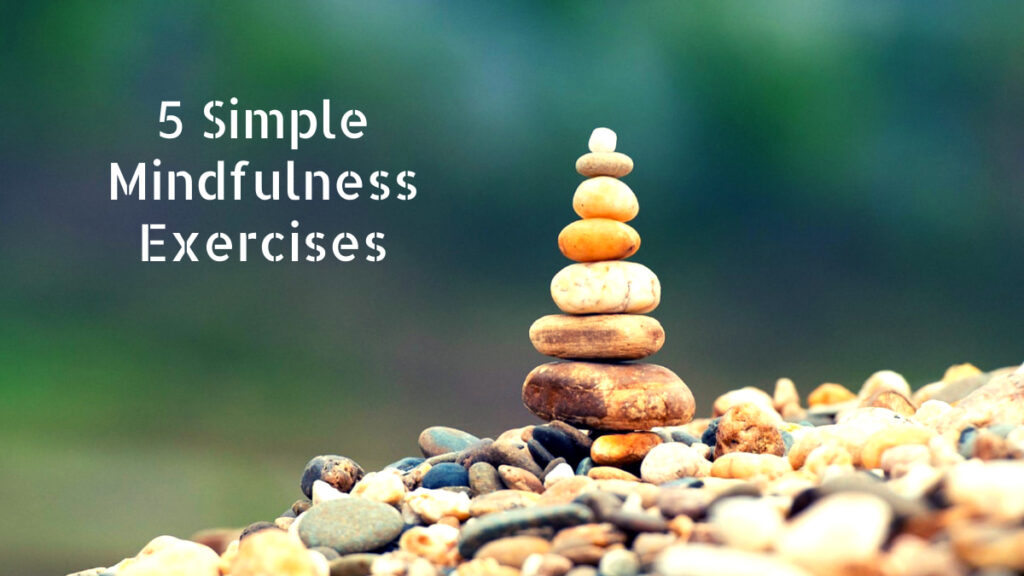
In a world filled with constant distractions, demands, and digital noise, many people are searching for ways to find clarity, calm, and balance. The growing complexity of modern life often leaves us feeling overwhelmed and disconnected—from ourselves, from others, and from the present moment. Mindfulness offers a gentle but powerful solution.
At its core, mindfulness is the practice of paying full attention to the present with openness and curiosity, without judgment. You don’t need hours of free time, special training, or a quiet retreat to experience its benefits. Just a few minutes of conscious awareness each day can improve focus, reduce stress, and enhance your overall well-being.
The good news is that mindfulness isn’t limited to seated meditation. It can be integrated into everyday moments and simple routines. The five exercises that follow are easy to practice and require no special tools—only your attention and intention. Whether you’re a busy professional, a student, or simply someone seeking more peace in daily life, these exercises can gently guide you back to the present and help you feel more centered, grounded, and alive.
“The present moment is the only time over which we have dominion.” – Thích Nhất Hạnh
1. Mindful Breathing
Mindful breathing is often considered the foundation of mindfulness practice. It is simple, always available, and incredibly effective. The breath is a natural anchor to the present moment because it is always with us. When we consciously bring our attention to the process of inhaling and exhaling, we momentarily detach from the whirlwind of thoughts, worries, and distractions that often dominate our minds.
To begin, find a quiet space where you can sit or lie down comfortably. Close your eyes if you feel comfortable doing so. Gently direct your attention to your breathing. Notice the air entering your nostrils, filling your lungs, and then leaving your body. There’s no need to alter your breathing; just observe it as it is. If your mind starts to wander—which it inevitably will—gently bring your focus back to the breath without judgment. This returning to the breath is, in fact, the essence of mindfulness.
Practicing mindful breathing for just three to five minutes a day can create noticeable shifts in your mental clarity and emotional state. It’s a powerful tool for stress relief, emotional regulation, and centering yourself before or after challenging situations. As you become more familiar with this practice, you may find yourself returning to your breath more often throughout the day, using it as a refuge in moments of chaos.
2. Body Scan Meditation
While the mind is often busy with thoughts about the past or future, the body is always in the present. The body scan meditation invites you to shift your attention inward and notice the physical sensations occurring throughout your body. This practice helps bridge the gap between the mind and body, offering a sense of grounding and wholeness.
To practice a body scan, lie down or sit in a relaxed position. Close your eyes and begin by bringing your awareness to the top of your head. Gradually move your attention downward—scanning your forehead, eyes, jaw, neck, shoulders, chest, arms, stomach, hips, legs, and feet. At each area, observe any sensations such as tension, warmth, coolness, or numbness. You are not trying to change or fix anything; you are simply noticing what is present.
When you encounter areas of discomfort or tension, you might imagine sending your breath into those places, softening them with each exhale. This simple act of attention can often lead to physical and emotional release. If your mind drifts away during the scan, just acknowledge the distraction and return to the area you were focused on.
The body scan can take as little as five minutes or as long as thirty, depending on your schedule and preference. Practicing it regularly promotes relaxation, reduces anxiety, and can even improve your sleep. It teaches you to befriend your body, tuning in rather than ignoring its subtle messages.
3. Mindful Eating
In our busy lives, eating is often done on autopilot—while scrolling through a phone, watching TV, or rushing between tasks. Mindful eating turns this routine act into an opportunity for awareness, gratitude, and sensory enjoyment. When practiced consistently, it not only improves digestion but also transforms your relationship with food.
To begin eating mindfully, start by taking a moment to observe your food. Notice its colours, textures, and aroma. Reflect briefly on how the food came to your plate—through nature, cultivation, harvesting, transportation, and preparation. This brief pause fosters a sense of appreciation for the nourishment in front of you.
As you begin to eat, take small bites and chew slowly. Try to truly taste the food rather than rushing through it. Pay attention to the texture, the burst of flavours, and the changing sensations as you chew. Between bites, consider putting down your utensils and simply breathing. Notice your body’s signals of hunger and fullness.
Mindful eating is not about restriction or control—it’s about presence. It helps reduce overeating, emotional eating, and disconnection from the body’s natural cues. Even practicing mindful eating with just one meal or snack a day can deepen your awareness and bring moments of calm to your daily routine.
4. Gratitude Journaling
Gratitude is a deeply transformative practice that shifts your focus from what is lacking to what is abundant. While not traditionally seen as a mindfulness exercise, gratitude journaling requires conscious attention to the present and the good that exists in it. This practice strengthens emotional resilience, enhances well-being, and fosters a more optimistic outlook on life.
To start a gratitude journaling habit, keep a small notebook or digital journal where you can write each evening before bed. Reflect on your day and write down three to five things you are grateful for. These don’t have to be monumental achievements or events. In fact, the smaller and more specific the better. You might be grateful for the warmth of sunlight on your face, a kind message from a friend, or a moment of laughter.
Writing in detail encourages your mind to revisit and fully experience those moments of goodness, reinforcing positive neural pathways. Over time, this practice shifts your mental lens, training your mind to notice and appreciate small blessings throughout the day.
Consistency is more important than quantity. Even if you repeat the same few items over several days, the act of pausing, reflecting, and giving thanks cultivates mindfulness and emotional balance. Gratitude journaling is a gentle yet powerful way to end your day on a peaceful note.
5. Mindful Walking
Walking is something we do every day, often while thinking about something else entirely. Mindful walking transforms this ordinary activity into a moving meditation. It brings attention to the rhythm of movement, the contact of feet with the ground, and the environment through which we pass. It is especially helpful for those who struggle with seated meditation, as it offers mindfulness in motion.
To practice mindful walking, begin by choosing a quiet space where you can walk undisturbed. This could be a park path, a quiet street, or even a hallway. Stand still for a moment and bring awareness to your body. Feel the weight of your body pressing down into your feet, your spine elongating, your arms resting at your sides.
Begin walking slowly and deliberately. Pay attention to each step—the lifting of the foot, the movement through the air, and the placing down of the foot. Notice the sensations in your legs and feet as they support and carry you. Be aware of your breath and how your body moves in coordination with it. Allow your gaze to soften and take in the surroundings without getting lost in thoughts or judgments.
When thoughts arise, gently return your attention to the sensation of walking. There is no need to walk in any particular way or for a specific distance. The goal is to be fully present with each step. Even five or ten minutes of mindful walking can help clear mental clutter and bring a sense of calm and clarity.
The Larger Impact of These Small Practices
Though these exercises may appear simple, their cumulative effect on the mind and body is profound. Numerous scientific studies have validated the benefits of daily mindfulness, from reducing stress and anxiety to improving focus, sleep, and even immune function. Regular practice leads to changes in the brain—strengthening areas related to memory, attention, and empathy, while reducing activity in regions associated with stress.
One of the greatest strengths of mindfulness is its accessibility. You don’t need a quiet room, special clothing, or hours of free time. All you need is intention and a few minutes each day. These exercises can be performed almost anywhere—in your car, at your desk, during meals, or even while walking to a meeting.
Mindfulness does not require perfection. There will be days when your mind is noisy and your focus is fleeting. That’s okay. The practice is not about achieving a particular state, but rather about showing up. Every time you return your attention to the present, no matter how often you wander, you are strengthening your mindfulness muscle.
Making Mindfulness a Natural Part of Life
The key to making mindfulness a lasting habit lies in consistency and kindness to oneself. Rather than approaching it as a task to complete, think of it as a gift to give yourself. Start with one practice that feels most natural or appealing to you. It could be mindful breathing in the morning, a short body scan before sleep, or paying full attention to your lunch. Let this become your anchor.
You may find that over time, the other practices begin to flow into your routine as well. The more you practice, the more mindfulness will spill into other areas of your life—your conversations, your work, your parenting, and your self-talk.
When you embrace mindfulness as a way of being, not just something you do, you start to experience a quiet transformation. Life doesn’t become perfect, but it becomes more vivid, more manageable, and more meaningful.
Final Thoughts
Mindfulness is not about escaping life, but about fully engaging with it. These five simple exercises—mindful breathing, body scan meditation, mindful eating, gratitude journaling, and mindful walking—offer practical ways to reconnect with yourself and the world around you. They require no special tools or major time commitments. All they ask is your presence.
By incorporating even one of these practices into your day, you open the door to greater peace, awareness, and well-being. Over time, the ripple effects will touch every area of your life—your health, your relationships, your work, and your sense of self. Mindfulness invites you to stop rushing through life and start living it—one breath, one step, and one moment at a time.