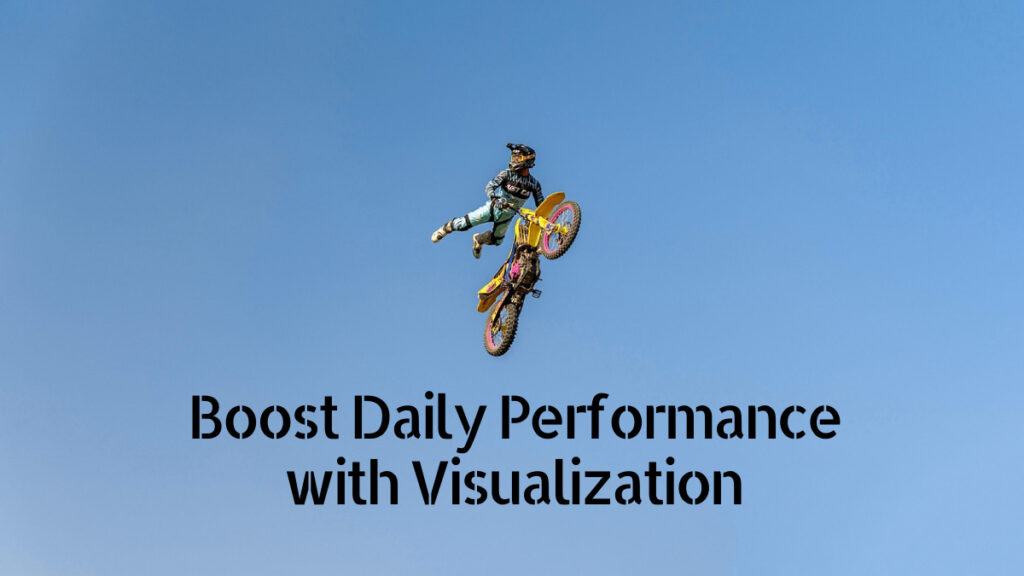
Visualization may sound like a mystical or abstract concept, but it is actually a practical and proven technique used by athletes, professionals, and everyday people to enhance performance. At its core, visualization is simply the process of imagining yourself doing something successfully before actually doing it. Whether it’s a simple daily task like parking your car or a more complex activity like giving a presentation, visualization can prepare your mind and body for better performance. This mental rehearsal helps build confidence, reduce stress, and create mental pathways that improve execution.
“The mind is everything. What you think, you become.” – Buddha
Most people use visualization naturally without even realizing it. Think about the last time you mentally went over how you would handle a conversation or replayed a task in your head before doing it. That is visualization at work. The difference between casual and intentional visualization, however, lies in the focus. When you consciously sit down, close your eyes, and mentally walk through a task with detail and purpose, the results can be powerful. It primes your brain and muscles, aligning your thoughts and actions with success.
Using Visualization for Everyday Tasks
One of the easiest areas to see the benefits of visualization is in driving. Take reverse parking as an example. Many new drivers struggle with this skill because it requires precise timing, coordination, and spatial awareness. By visualizing the steps in advance—checking mirrors, turning the wheel, adjusting speed, aligning with the parking lines—you mentally practice the maneuver before you actually perform it. This reduces anxiety and increases the chances of a smooth execution. Drivers who visualize this process often find that they perform better, make fewer errors, and feel more in control.
This principle extends to other daily tasks. Preparing for a busy day at work, for instance, becomes easier when you mentally walk through your schedule. Visualizing yourself handling meetings confidently, completing tasks efficiently, and interacting positively with co-workers sets a clear intention for the day. It also reduces the stress that comes from uncertainty. Instead of walking into situations blindly, you have already played them out in your mind, which makes you feel more prepared and capable.
Mental Rehearsal for Better Learning and Studying
For students, visualization is an underrated study tool. Instead of passively reading material, they can imagine themselves recalling facts during exams or explaining concepts to someone else. This active mental involvement strengthens memory and boosts confidence. Similarly, before a big exam, students can visualize themselves walking into the exam hall, feeling calm and focused, and answering questions with clarity. This kind of preparation doesn’t just build knowledge—it also builds the mindset necessary to perform well under pressure.
The same technique works for learning new skills. Whether it’s learning a language, mastering math, or developing computer skills, mentally rehearsing the steps helps your brain absorb information more deeply. You start to see yourself as capable, which is half the battle in learning.
Visualization Builds Confidence in Public Speaking
In the realm of public speaking, visualization can be a game changer. Public speaking is one of the most common fears, and it often stems from the fear of embarrassment or failure. Visualizing a successful presentation—seeing yourself speaking clearly, engaging the audience, and receiving positive reactions—can reduce nervousness significantly. It trains your brain to associate the situation with success rather than fear. Over time, this mental rehearsal becomes a source of strength that helps speakers deliver with poise and confidence.
Even experienced professionals use this technique before big meetings or performances. They mentally picture the room, the flow of words, the reactions of the audience, and even how they will handle unexpected questions. This preparation builds a calm, confident mindset that shows up in real-life performance.
Better Workouts Through Mental Rehearsal
Fitness enthusiasts also benefit greatly from visualization. Before a workout, athletes often mentally prepare by imagining their movements—lifting weights with perfect form, running with rhythm, or executing a yoga pose gracefully. This mental preparation increases focus and reduces the risk of injury. For beginners, visualizing a workout session can reduce resistance and increase motivation. It creates a mental blueprint that makes the physical task feel more familiar and achievable.
Even people who struggle to stick to an exercise routine can benefit from visualization. Before getting out of bed, they can mentally see themselves getting dressed, heading out, and completing their workout. This small shift in mental energy can be enough to spark real action.
Improving Household Tasks and Organization
Even mundane household chores can be improved through visualization. Think of cooking, for example. Visualizing the steps of a recipe—chopping vegetables, seasoning correctly, timing the cooking—helps you feel more organized and in control. It minimizes mistakes and can even make cooking more enjoyable. When organizing a cluttered room, visualizing the end result can serve as motivation. You mentally plan where each item will go, how the space will look, and how you’ll feel once it’s done. This mental clarity turns a potentially overwhelming task into a clear, manageable process.
Better Communication and Relationships
Visualization can also play a vital role in relationships and communication. Before a difficult conversation with a partner or friend, mentally rehearsing your words, tone, and body language can help you approach the situation with more calm and understanding. You can also visualize a positive outcome—mutual respect, clarity, or resolution. This can reduce defensiveness and increase empathy. Many people act out of emotion in tough conversations. Visualization helps replace reactive behaviour with thoughtful responses.
For those who are shy or socially anxious, visualizing social success—like making a new friend or participating in a group—can slowly rewire fear into familiarity. It helps reduce self-doubt and encourages natural engagement.
Breaking Bad Habits and Building Good Ones
Visualization doesn’t just prepare you for what you want to do—it also helps you avoid what you don’t want. For people trying to break bad habits, this can be a powerful tool. If someone is trying to quit smoking or reduce unhealthy snacking, they can visualize themselves resisting the urge, making healthier choices, and feeling good about those decisions. Over time, this positive imagery can rewire the brain to support behaviour change. The more vividly and consistently you imagine yourself making the right choice, the more likely you are to follow through in real life.
Visualization can also be used to form better habits. Imagine yourself waking up early, completing your morning routine, staying productive during the day, or staying calm in stressful moments. This builds a mental path that your real self begins to follow naturally.
How to Practice Visualization
The beauty of visualization is that it costs nothing and can be practiced anywhere. You can do it in the morning while brushing your teeth, during a walk, or even as part of a bedtime routine. All it requires is a few minutes of focused thought. To start, simply close your eyes and breathe deeply. Bring your mind to a task or situation you want to improve. Imagine the steps you will take, the challenges you might face, and how you will respond. Picture yourself succeeding. The key is to involve as many senses as possible—what you see, hear, feel, and even smell or taste, if applicable. The more vivid the experience, the stronger the impact.
Even five minutes of visualization each day can make a big difference. Over time, your mental pictures become clearer, your focus sharpens, and your confidence increases.
Scientific Proof of Visualization’s Power
Science supports the effectiveness of visualization. Studies show that mental rehearsal activates many of the same neural pathways as actual physical practice. In one well-known experiment, athletes who practiced mentally showed nearly the same performance improvements as those who practiced physically. This suggests that the brain doesn’t fully distinguish between imagined and real experiences—it learns from both. When you visualize something repeatedly, your brain starts to treat it as familiar, reducing fear and improving reaction times.
Professional sports teams, surgeons, pilots, and business leaders use visualization because it prepares them for high-stakes situations. But ordinary people can use the same technique to make everyday life more successful and less stressful.
Visualization Creates a Positive Mindset
Visualization also promotes emotional well-being. By taking a few moments each day to imagine positive outcomes, gratitude, or peaceful scenes, you shift your mental state. Instead of focusing on stress or negativity, you train your brain to focus on hope and possibility. This simple shift in perspective can improve mood, energy levels, and resilience over time.
It also keeps your goals fresh in your mind. If you’re trying to save money, lose weight, or start a business, visualizing your journey—and the rewards that come with it—helps you stay motivated. It builds emotional investment and reminds you of what’s possible.
Conclusion: Picture Success Before You Live It
In a fast-paced world where many people feel overwhelmed and reactive, visualization offers a moment of pause and purpose. It’s a way to take control of your thoughts before life takes control of you. Whether you want to improve a single task or redesign your entire lifestyle, visualization gives you the mental blueprint to move forward with clarity and confidence.
In conclusion, visualization is not just a tool for elite performers or spiritual seekers—it’s a practical skill that anyone can use to improve daily life. From driving and cooking to working and learning, mental rehearsal can make ordinary tasks smoother and more successful. The more you use it, the more natural it becomes. And the more you believe in your mental images, the more likely they are to become reality. So the next time you face a challenge or aim to improve a routine, take a moment to close your eyes and see yourself succeed. Your brain—and your life—will thank you for it.