
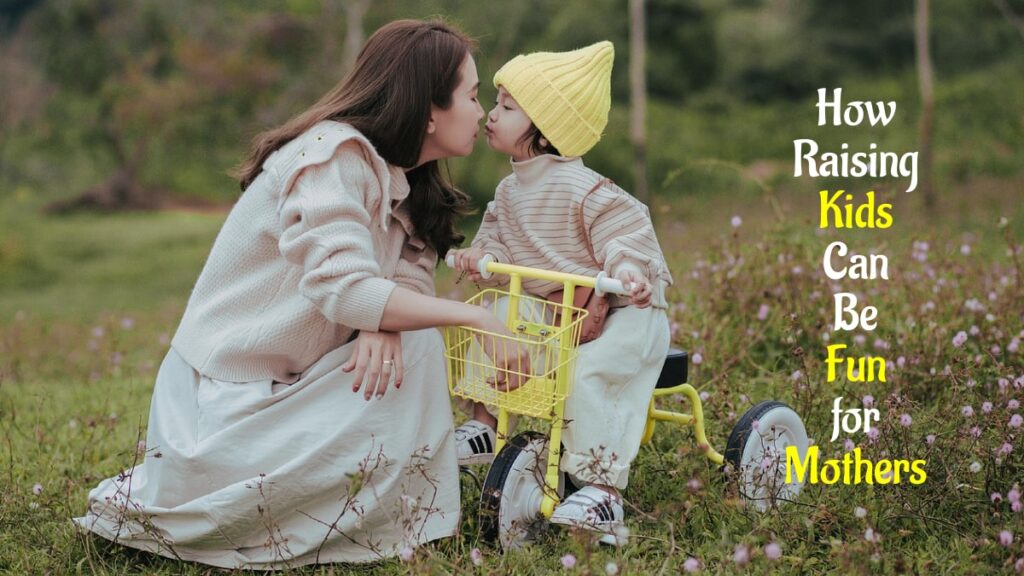
Ask most mothers what it’s like to raise children, and words like exhausting, overwhelming, or nonstop often come up. But here’s the part that rarely gets enough attention: raising kids can also be incredibly fun, joyful, and even mentally rewarding.
Beyond diapers and discipline lies a deeper, more fulfilling experience—one where laughter is healing, play becomes bonding, and curiosity turns every day into an adventure. And this isn’t just feel-good talk. Research from neuroscience, psychology, and parenting science confirms that motherhood can enrich a woman’s emotional, cognitive, and social well-being in surprising ways.
When a mother is open to presence over perfection and connection over control, raising children transforms from a daily challenge into a source of personal growth and joy. This blog explores seven powerful, science-backed reasons why raising kids can genuinely be fun for mothers—and how to embrace that joy with confidence and curiosity.
“While we try to teach our children all about life, our children teach us what life is all about.” – Angela Schwindt
The Joy of Rediscovering the World Through a Child’s Lens
One of the most delightful parts of motherhood is the chance to see the world anew. Children experience life with what psychologists call a “beginner’s mind,” where everything is fresh and full of wonder. For mothers, being around this raw curiosity can reawaken a sense of play and appreciation for the little things.
The Science Behind It: According to a 2019 study published in Psychological Science, adults who adopted a child’s perspective for even short periods reported greater daily happiness and mindfulness. This effect arises from increased activity in the default mode network, the part of the brain responsible for self-reflection and creativity.
When a child gets fascinated by ants marching in a line, puddles on the road, or colourful leaves, they invite mothers into a space of presence and novelty—qualities often lost in adult life.
Why It’s Fun: By joining your child’s imaginative world, you leave behind the monotony of adult responsibilities and engage in spontaneous curiosity. This light-hearted presence is not only enjoyable—it’s deeply restorative for mental health.
Takeaway: Rediscovering wonder alongside your child brings you closer to joy—and reconnects you with a playful version of yourself you may have forgotten.
Fun Through Play: Nature’s Built-in Stress Reliever
Children are wired to play—it’s how they learn and grow. What’s often overlooked is that mothers benefit equally from play. Engaging in play with children isn’t just bonding time; it’s a built-in therapeutic tool.
Scientific Insight: The American Academy of Pediatrics emphasizes that play fosters emotional connection, improves cognitive development, and reduces behavioural problems. But there’s more—Dr. Stuart Brown, founder of the National Institute for Play, notes that adults who engage in regular play show higher levels of dopamine, the brain’s reward chemical, and lower levels of cortisol, the stress hormone.
How It Works: When mothers join in their child’s make-believe games, crafts, storytelling, or dance routines, their brains release endorphins, which uplift mood and reduce anxiety. Even 15 minutes of shared laughter or physical play can elevate a mother’s emotional state for hours.
Play also helps create positive parent-child associations, which makes discipline easier and communication smoother later.
Takeaway: Regular play with your child isn’t just for their growth—it’s for your joy, too. It turns parenting into shared laughter rather than daily struggle.
Imperfection Is Liberating: The Power of Letting Go
One of the most underestimated sources of fun in parenting is the ability to laugh at the mess and let go of perfection. Too often, mothers are held to impossible standards: spotless homes, picture-perfect meals, ideal schedules, and well-behaved children. But research shows that aiming for perfection doesn’t make parenting more effective—it makes it more stressful.
The Psychology: A 2017 study in Personality and Individual Differences found that mothers with high levels of self-compassion and low levels of perfectionism reported significantly more enjoyment in parenting. They also had better relationships with their children and lower risks of burnout.
Dr. Kristin Neff, the leading expert on self-compassion, argues that self-forgiveness and emotional flexibility are more important for long-term well-being than flawless parenting techniques.
Why It’s Fun: Letting go of unrealistic expectations allows mothers to embrace the unpredictable, silly, and messy moments. When you stop trying to “do it all right,” you can finally relax and enjoy the process.
Whether it’s laughing at a messy kitchen after baking cookies or enjoying an impromptu picnic on the living room floor, these imperfect moments often become the most memorable.
Takeaway: Drop the perfection act. The real joy begins when you embrace the beautiful mess of motherhood.
Laughter and Oxytocin: The Biology of Shared Joy
Shared laughter between a mother and child is more than emotional bonding—it’s backed by biology. Laughing together activates brain chemicals that boost trust, reduce stress, and foster long-term connection.
What Science Says: When we laugh, our bodies release oxytocin, often called the “love hormone.” It enhances feelings of closeness and empathy. Research from Loma Linda University has shown that laughter also stimulates the prefrontal cortex, improving mood, memory, and resilience.
In mother-child relationships, frequent laughter leads to secure attachment, which not only benefits the child but reduces parenting anxiety and guilt for mothers.
Why It’s Powerful: Laughter breaks tension. It turns tantrums into teaching moments. It creates inside jokes that strengthen relationships. Even mispronounced words, funny drawings, and silly songs can become sources of delight.
And the best part? You don’t have to try hard. Children naturally bring laughter to everyday life. All you need to do is allow space for it.
Takeaway: Laughter is free, healing, and abundant in motherhood. Lean into it—it’s one of the best tools you have.
Cognitive Growth for Mothers: Parenting Sharpens the Mind
It’s easy to assume that raising children is only about teaching them. But studies show that mothers experience profound cognitive and neurological changes during parenthood.
Neuroscience Insight: A 2016 study in Nature Neuroscience used brain imaging to show that pregnancy and early motherhood increase gray matter in areas related to social understanding, emotional processing, and executive decision-making.
These brain changes help mothers read emotional cues, manage multitasking, and regulate empathy more effectively. Far from “mom brain” being a decline, it’s actually neurological refinement.
The Learning Bonus: When mothers engage in co-learning with their children—whether it’s reading, crafting, cooking, or exploring—they activate the hippocampus (associated with memory and learning) and build new neural connections. This lifelong learning not only makes motherhood more intellectually stimulating but keeps the brain healthy.
Takeaway: Raising children doesn’t dull your mind—it trains it to be sharper, more empathetic, and more adaptable. That’s growth worth enjoying.
The Power of Social Connection and Parenting Communities
Motherhood can feel isolating, especially in the digital age. But research is clear—mothers who stay socially connected experience greater joy and less stress in parenting. And these connections often introduce more fun into daily routines.
Study Highlights: A 2020 study published in the Journal of Family Psychology found that mothers with strong support networks had significantly higher levels of parenting satisfaction, emotional well-being, and resilience against stress.
Why? Because shared experiences foster empathy, laughter, and mutual support. From parenting groups to casual neighbourhood chats, social connection normalizes the ups and downs and adds humour to the challenges.
Modern Solutions: Thanks to digital communities, mothers don’t need to wait for playground meetups. Online groups, mom forums, and supportive communities on platforms like Reddit or Facebook offer emotional connection, advice, and humour—often right when it’s needed most.
Takeaway: You’re not alone. Finding or building a community multiplies joy and makes parenting lighter, funnier, and more fulfilling.
Emotional Growth: Children Help Mothers Become Emotionally Wiser
While raising children often tests a mother’s patience, it also becomes a powerful tool for emotional growth. Children, by their very nature, trigger a wide range of emotions—from overwhelming love to frustration. But navigating these emotions daily helps mothers build greater emotional intelligence (EQ), which is key to long-term joy and resilience.
Psychological Perspective: According to Dr. Daniel Goleman, pioneer of the emotional intelligence concept, high EQ is built through empathy, self-regulation, and emotional awareness—all of which are exercised regularly in parenting. Mothers who reflect on their emotions during parenting moments (instead of reacting impulsively) experience not only better relationships with their children but also greater life satisfaction.
A study in Emotion journal (2018) found that parents who practiced emotional mindfulness—the ability to be aware and accepting of their emotional responses—were less likely to experience parenting burnout and more likely to report positive emotions during daily interactions with their kids.
Why It’s Fun: Over time, as emotional skills grow, the small challenges of parenting no longer feel overwhelming. Instead, mothers feel more in control, connected, and fulfilled. This creates space for more playful, light-hearted interactions. Emotional maturity brings clarity—and with clarity comes calm and joy.
Takeaway: Children challenge and train your emotional muscles, making you more aware, wise, and joyful. That’s not just personal growth—it’s personal joy.
Conclusion: The Secret to Fun in Motherhood Is Perspective
Motherhood will always involve effort. It asks for patience, energy, and time. But within that effort lies a profound truth: the very things that make parenting demanding are also what make it deeply fun and transformative.
From the laughter shared during silly games to the emotional wisdom gained through daily challenges, mothers are not just caretakers—they’re active participants in a joyful, brain-enhancing, heart-opening journey. Science shows that by embracing imperfection, engaging with childlike wonder, and building meaningful connections, mothers can unlock greater happiness—not just for their children, but for themselves.
So the next time your child invites you to jump in a puddle, tell a joke, or just sit and build a block tower—say yes. That moment isn’t a distraction from life. It is life. And often, it’s the most fun you’ll ever have.
Because raising kids isn’t just about shaping their future—it’s about rediscovering your own joy in the process.