
Sunday, March 8, 2026
SUBSCRIBE
Fastlane Freedom
No Result
View All Result
  • Mindfulness
    • Subconscious Mind
    • Growth Mindset
    • Overcome Fear
    • Success Habits
    • Achieve Goals
    • Happiness Secrets
  • Money Blogs
    • Power of Compounding
    • Learn from Rich People
    • Power of Saving
    • Money Tips
    • Financial Freedom
    • Debt Management
  • Grow Business
    • Business Tips
    • Workplace Practices
    • Marketing Tips
    • Entrepreneurship
    • Success Rules
    • Leadership
    • Productivity Improvement
  • Essential Reading
  • Parenting
    • Before Birth Facts
    • Health and Wellness
    • Parenting Tips and Strategies
  • Popular Quotes
    • Success Quotes
    • Mindfulness Quotes
    • Business Quotes
    • Life Quotes
    • Money Quotes
  • Student
    • Early Success Secrets
    • Study Tips
    • Career Goals
  • About
    • Contact
    • Feedback & Suggestions
    • Copyright Report
  • Mindfulness
    • Subconscious Mind
    • Growth Mindset
    • Overcome Fear
    • Success Habits
    • Achieve Goals
    • Happiness Secrets
  • Money Blogs
    • Power of Compounding
    • Learn from Rich People
    • Power of Saving
    • Money Tips
    • Financial Freedom
    • Debt Management
  • Grow Business
    • Business Tips
    • Workplace Practices
    • Marketing Tips
    • Entrepreneurship
    • Success Rules
    • Leadership
    • Productivity Improvement
  • Essential Reading
  • Parenting
    • Before Birth Facts
    • Health and Wellness
    • Parenting Tips and Strategies
  • Popular Quotes
    • Success Quotes
    • Mindfulness Quotes
    • Business Quotes
    • Life Quotes
    • Money Quotes
  • Student
    • Early Success Secrets
    • Study Tips
    • Career Goals
  • About
    • Contact
    • Feedback & Suggestions
    • Copyright Report
Fastlane Freedom
No Result
View All Result
Home Parenting Health and Wellness

The Hidden Reasons Behind Increasing Cesarean Births

Vinod Singh by Vinod Singh
August 3, 2025
in Health and Wellness, Latest Blogs, Parenting
Reading Time: 9 mins read
A A
0
cesarean births
74
VIEWS

Table of Contents

  • 1. Medicalization of Childbirth: The Over-Intervention Culture
  • 2. Fear of Litigation and Defensive Medicine
  • 3. Institutional and Economic Pressures in Hospitals
  • 4. Lack of Informed Consent and Birth Education
  • 5. Declining Support for Vaginal Birth After Cesarean (VBAC)
  • 6. Cultural Beliefs and Fear of Labour Pain
  • 7. Easy-to-Implement Solutions to Lower Unnecessary C-Sections
  • Conclusion: Reclaiming Birth as a Natural, Empowered Experience

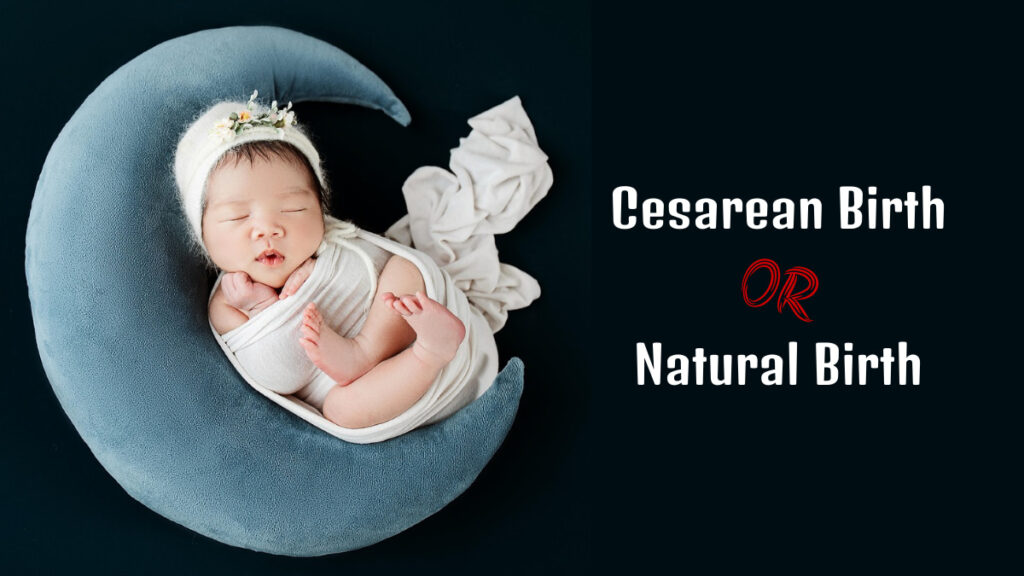
In recent decades, childbirth has undergone a silent transformation. What was once an entirely natural process is now increasingly medicalized. Across the globe, Cesarean deliveries—or C-sections—are on the rise. According to the World Health Organization (WHO), the global average rate of C-sections has nearly doubled from 12% in 2000 to over 21% in 2021. In countries like Brazil, Turkey, Egypt, and even India’s urban centers, this rate can exceed 50%.

While C-sections can be lifesaving in emergencies, their overuse without clear medical justification poses significant risks to mothers and babies alike—ranging from infections and longer recovery times to complications in future pregnancies. Despite guidelines recommending C-section use only when absolutely necessary, the procedure is becoming normalized, even preferred.

But why is this happening? What’s driving this silent shift? And more importantly, how can we prevent unnecessary C-sections and promote safe, empowering childbirth experiences for mothers?

This blog dives into the hidden reasons behind the rise in Cesarean births, supported by global research, and outlines practical, easy-to-implement solutions to reverse this trend.

“A Cesarean birth can save lives, but overuse can silently steal the essence of natural birth.”

1. Medicalization of Childbirth: The Over-Intervention Culture

One of the core drivers of rising Cesarean rates is the increasing medicalization of childbirth. In many modern hospitals, labour is no longer seen as a natural physiological process—it’s treated as a medical event requiring constant monitoring, intervention, and control.

Technologies such as continuous electronic fetal monitoring, IV drips, synthetic oxytocin (Pitocin), and early labour induction are now routine. These interventions, while helpful in high-risk situations, often interrupt the natural progress of labour. Once labour slows or stops—often as a side effect of these interventions—doctors may recommend a C-section as a safer alternative.

Research published in The Lancet (2018) shows that in low-risk pregnancies, excessive use of interventions leads to a higher likelihood of C-section. In other words, medical routines meant to “help” may end up increasing surgical births.

A growing body of evidence suggests that adopting midwife-led, low-intervention labour practices—especially for healthy pregnancies—can reduce the need for C-sections significantly.

2. Fear of Litigation and Defensive Medicine

Another critical but often overlooked factor is the legal environment in which obstetricians operate. In many countries, healthcare professionals face intense pressure from malpractice lawsuits. In the event of a birth complication—such as fetal distress, brain damage, or maternal injury—families may sue hospitals or doctors for negligence.

To protect themselves from legal consequences, many obstetricians opt for a “better safe than sorry” approach. Cesarean delivery, in their eyes, is more defensible in court than a complicated vaginal birth.

A study published in Health Affairs (2010) found that obstetricians practicing in highly litigious environments were more likely to perform C-sections, even when not medically necessary. This behaviour is called “defensive medicine”—choosing interventions based on legal risk, not patient need.

The unintended consequence is a system where risk-avoidance overshadows what’s best for the mother and child. Doctors may perform a C-section not because it’s needed—but because it’s safer for their career.

3. Institutional and Economic Pressures in Hospitals

Hospital systems are also structured in ways that inadvertently promote C-sections. For one, Cesareans are more predictable and easier to schedule than spontaneous vaginal deliveries. Labour can take anywhere from 8 to 24 hours—or more—while a planned C-section can be done in less than an hour.

This scheduling convenience allows hospitals to manage resources more efficiently—such as staffing shifts, operation theaters, and bed occupancy. From an administrative perspective, scheduled deliveries mean better control over patient flow.

Moreover, in many private healthcare systems, Cesareans are more profitable. A C-section often costs 50–100% more than a vaginal birth, due to additional charges for surgery, anesthesia, and post-operative care.

A 2021 report by the International Federation of Gynecology and Obstetrics (FIGO) stated that financial incentives in private hospitals contribute to excessive C-sections, particularly in countries like India, China, and Brazil. In such systems, the doctor-patient relationship becomes transactional, and C-sections become an “upgraded service.”

Thus, without transparency and accountability, institutional convenience and profit motives quietly overtake patient-centered care.

4. Lack of Informed Consent and Birth Education

Another major reason for rising C-section rates lies in the lack of informed decision-making. Many expectant mothers are unaware of what to expect during natural labour, the potential duration, pain management options, or when a C-section is genuinely necessary.

In many cases, women are simply told that labour isn’t progressing or the baby might be in danger—without being given a full explanation or time to consider alternatives. A lack of childbirth education means that expectant mothers often rely solely on doctors for direction, sometimes without understanding the implications of surgery.

Research from Birth: Issues in Perinatal Care (2017) revealed that when women participate in prenatal education and birth planning, the likelihood of unnecessary C-sections decreases significantly. These mothers feel more confident during labour and are better able to advocate for themselves.

In contrast, when fear, uncertainty, and a lack of information dominate the birthing experience, women may agree to surgery out of panic or passivity. Informed choices—not fear-based ones—lead to better birth outcomes.

RELATED POSTS

Creative Imitation – A Successful Business Strategy

Definiteness of Purpose: How Frank W. Gunsaulus Transformed a Dream into Reality

Cultivating Critical Thinking: Strategies for Empowering Minds

5. Declining Support for Vaginal Birth After Cesarean (VBAC)

A particularly troubling trend is the sharp decline in VBAC (Vaginal Birth After Cesarean). Decades ago, VBAC was encouraged under proper medical supervision. However, due to fears of uterine rupture (a rare but serious complication), many hospitals now automatically schedule repeat C-sections, regardless of the mother’s condition.

The American College of Obstetricians and Gynecologists (ACOG) confirms that up to 60–80% of women who try for VBAC can succeed, yet the option is rarely offered or supported.

Once a woman has one C-section, the likelihood of subsequent C-sections increases exponentially. This practice has a cascading effect: the initial surgery may have been necessary, but the subsequent ones might not be.

Restricting VBAC choices results in entire generations of women undergoing surgery they may not need, increasing both short- and long-term health risks.

6. Cultural Beliefs and Fear of Labour Pain

Culture plays a surprisingly strong role in shaping childbirth choices. In many societies, Cesarean delivery is now seen as a modern, safer, or even more “elite” way to give birth. In urban settings, it is sometimes perceived as more hygienic, less painful, and socially acceptable.

Additionally, fear of labour pain is a powerful motivator. For women with no access to quality pain relief (such as epidurals), the prospect of natural birth can be terrifying. In such cases, Cesarean delivery may appear as the only way to avoid trauma.

Unfortunately, many of these fears are based on misconceptions or lack of pain management options, not actual medical need.

A study published in BMJ Open (2020) covering 20 countries found that women who had access to continuous labour support (doulas, midwives, etc.) and pain relief were significantly more likely to deliver vaginally and report positive birth experiences.

When fear is replaced with confidence—and pain is managed compassionately—more women choose the natural route.

7. Easy-to-Implement Solutions to Lower Unnecessary C-Sections

We don’t need big government changes or expensive machines to reduce unnecessary Cesarean (C-section) births. In fact, some of the best solutions are easy, affordable, and already working in many parts of the world. These ideas focus on giving women the support, knowledge, and respect they need to have safer and more natural births.

Encourage Midwife-Led Birth Centers for Low-Risk Pregnancies

In many countries like Sweden and the Netherlands, midwives take care of healthy pregnant women and help them give birth in midwife-led birth centers. These centers focus on letting birth happen naturally, without too many medical tools or hurry.

Midwives are trained to stay calm and patient during labour. They help women use comfortable positions, breathing, and movement during delivery. They only call doctors if something goes wrong.

In India, government programs like LaQshya are training more midwives in public hospitals. These efforts are showing good results by reducing unnecessary interventions during childbirth.

Why this works: Midwives believe in the natural process of birth. They avoid surgery unless it’s really needed.

Add Birth Education to Antenatal Care

Teaching pregnant women what to expect during labour and how to prepare can lower C-section rates. This education can be given in small classes at hospitals or even through videos and online sessions.

These classes should explain:

  • How labour begins and progresses
  • How to breathe and relax during contractions
  • What choices women have during delivery
  • How to make a birth plan
  • What pain relief options are available
  • What the real signs of danger are

When women know what’s happening in their bodies, they are less likely to panic or agree to surgery quickly. A study showed that women who get this education are less likely to ask for C-sections.

Why this works: Knowledge gives women the power to stay calm and make the right choices.

Let Women Have a Support Person During Labour

The World Health Organization says every woman should have someone with her during labour—like her husband, mother, sister, or a trained helper called a doula.

Having someone by her side:

  • Makes the woman feel safe and less stressed
  • Helps her cope with labour pain
  • Gives emotional strength
  • Lowers the chance of needing a C-section

One study found that women with a support person during labour were 39% less likely to have a C-section. In India, even if trained doulas are not available, hospitals can allow family members or trained nurses to offer this support.

Why this works: Feeling cared for helps women give birth more naturally and confidently.

Make Hospitals Track and Improve Their C-Section Rates

Hospitals must take responsibility for how often they perform C-sections. Right now, many hospitals don’t keep track. But if governments or hospital boards set rules and check records regularly, things can improve.

Here’s what hospitals can do:

  • Set limits on how many C-sections are allowed in low-risk cases (WHO suggests no more than 10–15%)
  • Check each C-section case to see if it was really needed
  • Publish reports showing their C-section rates
  • Give awards or rewards to hospitals that promote safe, normal births

Brazil’s Parto Adequado program helped over 35 hospitals lower their C-section rates by offering training, setting clear rules, and rewarding good practices.

Why this works: When hospitals know someone is watching, they work harder to do the right thing.

Give More Women the Option for VBAC (Vaginal Birth After Cesarean)

In many hospitals, once a woman has had one C-section, she’s not allowed to try for a vaginal birth in the next pregnancy. But this is not always needed. In fact, research shows that 60–80% of women can safely have a normal birth after a C-section.

To support VBAC, hospitals should:

  • Train doctors to check if VBAC is safe
  • Be ready for emergencies 24/7 if something goes wrong
  • Teach mothers about their options
  • Stop scaring women with rare problems like uterine rupture (which is very uncommon)

In India, most women are not even told that VBAC is an option. If more hospitals offered safe VBAC, thousands of women could avoid another surgery.

Why this works: One surgery should not force more surgeries unless there is a real medical reason.

Spread Public Awareness with Campaigns and Media

In many cultures, people think C-sections are cleaner, more modern, or more comfortable than normal births. Others think normal labour is too painful or dangerous. These beliefs are often wrong and lead to unnecessary surgery.

To change this thinking, governments and health groups can use:

  • TV and radio ads
  • Social media campaigns
  • Posters in hospitals and clinics
  • Educational videos in waiting rooms

These should:

  • Show the benefits of natural birth
  • Share true stories of strong women who had normal deliveries
  • Correct false beliefs and fears
  • Teach families (including men) how to support natural birth

Brazil ran public campaigns that helped people understand that vaginal birth is safe and healthy. India can do the same using regional languages and local stories.

Why this works: When the public starts believing in natural birth, doctors and hospitals follow that trend too.

Respect Women’s Rights, Give Them Choices, and Listen to Their Voice

One of the biggest reasons for unnecessary C-sections is that women often feel they don’t have a say in their delivery. Doctors or nurses may make decisions for them without explaining why or asking for consent.

Respectful care means:

  • Asking women what they want
  • Helping them make a birth plan
  • Telling them the pros and cons of every option
  • Giving them time to think and ask questions
  • Not forcing them to accept surgery or medicines unless truly needed

In 2022, the WHO released a guide that says a positive childbirth experience depends on how women are treated—not just what medical steps are taken.

This is especially important in public hospitals and rural areas, where many women feel helpless. Simple actions like allowing privacy, talking in local languages, and letting family members stay with them can change everything.

Why this works: When women are respected and informed, they choose what is best for them—and it’s often not surgery.

Conclusion: Reclaiming Birth as a Natural, Empowered Experience

The rise in Cesarean births is not simply a medical trend—it is a mirror reflecting systemic issues in modern healthcare, cultural fears, legal pressures, and poor education. While C-sections can be miraculous when truly needed, their overuse is now causing more harm than help.

The key to reversing this lies in trusting the birthing process, educating women, training providers, and realigning hospital incentives. Every expectant mother deserves to experience childbirth as a moment of strength, not surgery by default.

Let’s stop normalizing unnecessary Cesareans. Let’s return to honouring the natural power of birth—safely, respectfully, and wisely.

Tags: birth educationC-section riskscesarean deliverychildbirth choicesempowered birthingexpectant parentshospital birth policieslabour supportmaternal healthmidwife-led carenatural childbirthparentspregnancy careVBAC
ShareSendTweetPinShareShareShareShareShareShareBookmarkShare
Vinod Singh

Vinod Singh

In 2019, Vinod Singh, a Belief Changer, founded Fastlane Freedom after 3.5 years of research on Mindfulness and its connection to money. Fastlane Freedom is driven by a vision: ‘Enhancing Lives of Millions’ by reshaping people’s beliefs to transform their financial situations. With 16 years of professional experience, Vinod dedicates himself to providing top-notch, practical content on Mindfulness, Money, Business, Parenting, Popular Quotes and Student Life.

Related Posts

Workplace Feedback
Grow Business

Praise or Pressure: The Power of Workplace Feedback

March 7, 2026
Impatience
Achieve Goals

Impatience: The Silent Killer of Dreams and Success

March 1, 2026
AI Is the New Electricity
Grow Business

AI Is the New Electricity: Those Who Harness It Will Rule the Next Decade

February 22, 2026
Your Bamboo Moment
Growth Mindset

Your Bamboo Moment Is Coming—Trust the Process

February 19, 2026
Out-of-Box Business Ideas
Entrepreneurship

15 Out-of-Box Business Ideas for Profit and Fame – Fastlane Freedom

February 14, 2026
Blur the Noise, Sharpen Your Success
Achieve Goals

Blur the Noise, Sharpen Your Success: The Science of Focus

February 8, 2026
Build Once, Earn Forever
Financial Freedom

Build Once, Earn Forever: Turn Your Ideas into Lifelong Income

February 1, 2026
Work-Life Balance Myths
Grow Business

Work-Life Balance Myths That Are Ruining Your Productivity

January 24, 2026

Support Ad-Free Content

Dear Valued Reader,

At Fastlane Freedom, we believe in delivering the highest quality content without the distraction of ads. Our platform is dedicated to enriching your life with insightful blogs on Mindfulness, Financial Wisdom, Business Strategies, Student Success, and Effective Parenting.

To keep our content free from ads and accessible to all, we need your support. Your donation helps us maintain our commitment to providing valuable, ad-free resources that empower you to thrive in every aspect of life.

Join us in our mission to “Enhancing Lives of Millions” by fostering knowledge and growth. Every contribution is invaluable and directly enhances the quality and accessibility of our content. Donate now and help us continue to make a difference!

Support Now

Main Category

  • Mindfulness
  • Money Blogs
  • Grow Business
  • Popular Quotes
  • Essential Reading
  • Student
  • Parenting

Money

  • Power of Compounding
  • Learn from Rich People
  • Power of Saving
  • Money Tips
  • Financial Freedom
  • Debt Management

Grow Business

  • Business Tips
  • Workplace Practices
  • Marketing Tips
  • Entrepreneurship
  • Success Rules
  • Leadership
  • Productivity Improvement

Mindfulness

  • Subconscious Mind
  • Growth Mindset
  • Overcome Fear
  • Success Habits
  • Achieve Goals
  • Happiness Secrets

Parenting

  • Before Birth Facts
  • Health and Wellness
  • Parenting Tips and Strategies

Student

  • Early Success Secrets
  • Study Tips
  • Career Goals

© 2019-2024 fastlanefreedom.com All Rights Reserved | Design & Developed by Binary Techne.

LAST REVISION: 29-06-2024

PLEASE READ THIS TERMS OF SERVICE AGREEMENT CAREFULLY. BY USING THIS WEBSITE OR ORDERING PRODUCTS FROM THIS WEBSITE, YOU AGREE TO BE BOUND BY ALL OF THE TERMS AND CONDITIONS OF THIS AGREEMENT.

This Terms of Service Agreement (the “Agreement”) governs your use of the website www.fastlanefreedom.com (the “Website”) and Fastlane Freedom (“Business Name”) offer of products for purchase on this Website, as well as your purchase of products available on this Website. This Agreement includes and incorporates by this reference the policies and guidelines referenced below. Fastlane Freedom reserves the right to change or revise the terms and conditions of this Agreement at any time by posting any changes or a revised Agreement on this Website. Fastlane Freedom will alert you that changes or revisions have been made by indicating at the top of this Agreement the date it was last revised. The changed or revised Agreement will be effective immediately after it is posted on this Website. Your use of the Website following the posting of any such changes or of a revised Agreement will constitute your acceptance of any such changes or revisions. fastlanefreedom.com encourages you to review this Agreement whenever you visit the Website to ensure that you understand the terms and conditions governing the use of the Website. This Agreement does not alter in any way the terms or conditions of any other written agreement you may have with www.fastlanefreedom.com for other products or services. If you do not agree to this Agreement (including any referenced policies or guidelines), please immediately terminate your use of the Website. If you would like to print this Agreement, please click the print button on your browser toolbar.

PRODUCTS

Terms of Offer: This Website offers for sale certain products (the “Products”). By placing an order for Products through this Website, you agree to the terms set forth in this Agreement.

Customer Solicitation: Unless you notify our third-party call center reps or direct www.fastlanefreedom.com sales reps, while they are calling you, of your desire to opt out from further direct company communications and solicitations, you agree to continue to receive further emails and call solicitations from www.fastlanefreedom.com and its designated in-house or third-party call team(s).

Opt-Out Procedure: We provide three easy ways to opt out of future solicitations:

  1. You may use the opt-out link found in any email solicitation that you receive.
  2. You may also choose to opt out by sending your email address to: fastlanefreedom7@gmail.com.
  3. You may send a written removal request to Surat, Gujarat or Yamunanagar, Haryana.

Proprietary Rights: fastlanefreedom.com has proprietary rights and trade secrets in the Products. You may not copy, reproduce, resell, or redistribute any Product manufactured and/or distributed by Fastlane Freedom. fastlanefreedom.com also has rights to all trademarks and trade dress and specific layouts of this webpage, including calls to action, text placement, images, and other information.

Sales Tax: If you purchase any Products, you will be responsible for paying any applicable sales tax.

WEBSITE

Content; Intellectual Property; Third-Party Links: In addition to making Products available, this Website also offers information and marketing materials. This Website also offers information, both directly and through indirect links to third-party websites, about nutritional and dietary supplements. fastlanefreedom.com does not always create the information offered on this Website; instead, the information is often gathered from other sources. To the extent that fastlanefreedom.com does create the content on this Website, such content is protected by intellectual property laws of India, foreign nations, and international bodies. Unauthorized use of the material may violate copyright, trademark, and/or other laws. You acknowledge that your use of the content on this Website is for personal, noncommercial use. Any links to third-party websites are provided solely as a convenience to you. fastlanefreedom.com does not endorse the contents of any such third-party websites. fastlanefreedom.com is not responsible for the content of or any damage that may result from your access to or reliance on these third-party websites. If you link to third-party websites, you do so at your own risk.

Use of Website: fastlanefreedom.com is not responsible for any damages resulting from the use of this website by anyone. You will not use the Website for illegal purposes. You will (1) abide by all applicable local, state, national, and international laws and regulations in your use of the Website (including laws regarding intellectual property), (2) not interfere with or disrupt the use and enjoyment of the Website by other users, (3) not resell material on the Website, (4) not engage, directly or indirectly, in the transmission of “spam”, chain letters, junk mail, or any other type of unsolicited communication, and (5) not defame, harass, abuse, or disrupt other users of the Website.

License: By using this Website, you are granted a limited, non-exclusive, non-transferable right to use the content and materials on the Website in connection with your normal, noncommercial use of the Website. You may not copy, reproduce, transmit, distribute, or create derivative works of such content or information without express written authorization from fastlanefreedom.com or the applicable third party (if third-party content is at issue).

Posting: By posting, storing, or transmitting any content on the Website, you hereby grant fastlanefreedom.com a perpetual, worldwide, non-exclusive, royalty-free, assignable right and license to use, copy, display, perform, create derivative works from, distribute, have distributed, transmit, and assign such content in any form, in all media now known or hereinafter created, anywhere in the world. fastlanefreedom.com does not have the ability to control the nature of the user-generated content offered through the Website. You are solely responsible for your interactions with other users of the Website and any content you post. fastlanefreedom.com is not liable for any damage or harm resulting from any posts by or interactions between users. fastlanefreedom.com reserves the right, but has no obligation, to monitor interactions between and among users of the Website and to remove any content fastlanefreedom.com deems objectionable, in Fastlane Freedom’s sole discretion.

DISCLAIMER OF WARRANTIES

YOUR USE OF THIS WEBSITE AND/OR PRODUCTS IS AT YOUR SOLE RISK. THE WEBSITE AND PRODUCTS ARE OFFERED ON AN “AS IS” AND “AS AVAILABLE” BASIS. fastlanefreedom.com EXPRESSLY DISCLAIMS ALL WARRANTIES OF ANY KIND, WHETHER EXPRESS OR IMPLIED, INCLUDING, BUT NOT LIMITED TO, IMPLIED WARRANTIES OF MERCHANTABILITY, FITNESS FOR A PARTICULAR PURPOSE, AND NON-INFRINGEMENT WITH RESPECT TO THE PRODUCTS OR WEBSITE CONTENT, OR ANY RELIANCE UPON OR USE OF THE WEBSITE CONTENT OR PRODUCTS. (“PRODUCTS” INCLUDE TRIAL PRODUCTS.)

WITHOUT LIMITING THE GENERALITY OF THE FOREGOING, fastlanefreedom.com MAKES NO WARRANTY:

  1. THAT THE INFORMATION PROVIDED ON THIS WEBSITE IS ACCURATE, RELIABLE, COMPLETE, OR TIMELY.
  2. THAT THE LINKS TO THIRD-PARTY WEBSITES LEAD TO INFORMATION THAT IS ACCURATE, RELIABLE, COMPLETE, OR TIMELY.
  3. THAT NO ADVICE OR INFORMATION, WHETHER ORAL OR WRITTEN, OBTAINED BY YOU FROM THIS WEBSITE WILL CREATE ANY WARRANTY NOT EXPRESSLY STATED HEREIN.
  4. AS TO THE RESULTS THAT MAY BE OBTAINED FROM THE USE OF THE PRODUCTS OR THAT DEFECTS IN PRODUCTS WILL BE CORRECTED.
  5. REGARDING ANY PRODUCTS PURCHASED OR OBTAINED THROUGH THE WEBSITE.

SOME JURISDICTIONS DO NOT ALLOW THE EXCLUSION OF CERTAIN WARRANTIES, SO SOME OF THE ABOVE EXCLUSIONS MAY NOT APPLY TO YOU.

LIMITATION OF LIABILITY

fastlanefreedom.com’s ENTIRE LIABILITY, AND YOUR EXCLUSIVE REMEDY, IN LAW, IN EQUITY, OR OTHERWISE, WITH RESPECT TO THE WEBSITE CONTENT AND PRODUCTS AND/OR FOR ANY BREACH OF THIS AGREEMENT IS SOLELY LIMITED TO THE AMOUNT YOU PAID, LESS SHIPPING AND HANDLING, FOR PRODUCTS PURCHASED VIA THE WEBSITE.

fastlanefreedom.com WILL NOT BE LIABLE FOR ANY DIRECT, INDIRECT, INCIDENTAL, SPECIAL, OR CONSEQUENTIAL DAMAGES IN CONNECTION WITH THIS AGREEMENT OR THE PRODUCTS IN ANY MANNER, INCLUDING LIABILITIES RESULTING FROM (1) THE USE OR THE INABILITY TO USE THE WEBSITE CONTENT OR PRODUCTS; (2) THE COST OF PROCURING SUBSTITUTE PRODUCTS OR CONTENT; (3) ANY PRODUCTS PURCHASED OR OBTAINED OR TRANSACTIONS ENTERED INTO THROUGH THE WEBSITE; OR (4) ANY LOST PROFITS YOU ALLEGE.

SOME JURISDICTIONS DO NOT ALLOW THE LIMITATION OR EXCLUSION OF LIABILITY FOR INCIDENTAL OR CONSEQUENTIAL DAMAGES, SO SOME OF THE ABOVE LIMITATIONS MAY NOT APPLY TO YOU.

INDEMNIFICATION

You will release, indemnify, defend, and hold harmless fastlanefreedom.com and any of its contractors, agents, employees, officers, directors, shareholders, affiliates, and assigns from all liabilities, claims, damages, costs, and expenses, including reasonable attorneys’ fees and expenses, of third parties relating to or arising out of (1) this Agreement or the breach of your warranties, representations, and obligations under this Agreement; (2) the Website content or your use of the Website content; (3) the Products or your use of the Products (including Trial Products); (4) any intellectual property or other proprietary right of any person or entity; (5) your violation of any provision of this Agreement; or (6) any information or data you supplied to fastlanefreedom.com. When fastlanefreedom.com is threatened

Welcome Image

Subscribe to our newsletter!

Stay updated with the latest insights, strategies, and resources for enhancing your life, achieving financial freedom, and unlocking your full potential.

No Result
View All Result
  • Money Blogs
  • Essential Reading
  • Mindfulness
  • Grow Business
  • Parenting
  • Student
  • Popular Quotes
  • About
  • Contact

© 2019-2024 fastlanefreedom.com All Rights Reserved | Design & Developed by Binary Techne.