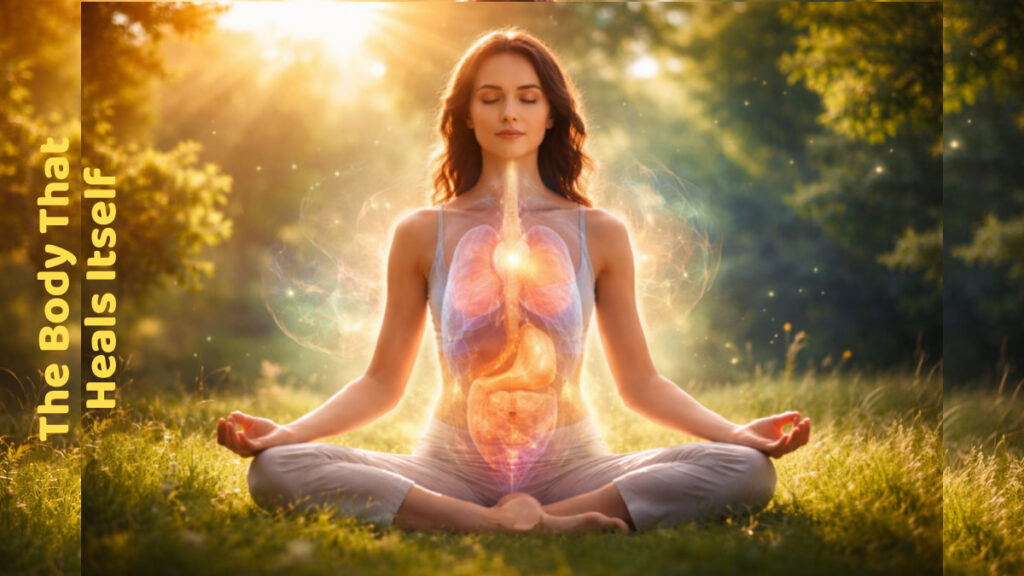
There is a quiet, ongoing miracle unfolding inside you—one that requires no conscious effort, no external instruction, and no applause. Your body is constantly repairing, recalibrating, and protecting itself. Every second, millions of biochemical reactions occur with astonishing precision. Cells communicate, tissues regenerate, and systems coordinate in ways that resemble an advanced, self-governing ecosystem. Yet, most of this happens beneath your awareness.
For centuries, healing was often seen as something external—something delivered by a healer, a herb, or a treatment. Modern medicine, while revolutionary, has further reinforced this external focus. But emerging scientific understanding is gradually restoring balance to this view. It is becoming increasingly clear that the body is not a passive recipient of healing—it is the primary agent of it.
This shift in perspective is life-changing. When you begin to see your body as an intelligent partner rather than a flawed machine, your approach to health transforms. You stop fighting your body and start supporting it. You begin to understand that symptoms are often signals, not enemies. And most importantly, you realize that healing is not a rare event—it is a continuous, built-in process.
“The natural healing force within each one of us is the greatest force in getting well.” – Hippocrates
The Biology of Self-Healing: Built-In Repair Systems
At its core, the human body is designed for survival and restoration. The concept of homeostasis—the body’s ability to maintain internal balance despite external changes—is central to this design. Whether it is regulating temperature, balancing hormones, or repairing damaged tissues, the body is constantly working to return to equilibrium.
When an injury occurs, a highly coordinated healing response begins almost instantly. Blood vessels constrict to prevent excessive bleeding, platelets form clots, and immune cells rush to the site to prevent infection. This is followed by inflammation, a process often misunderstood but essential for healing. Inflammation clears damaged cells and sets the stage for tissue repair. Fibroblasts then produce collagen, forming new tissue, while blood vessels regenerate to restore circulation.
What makes this process remarkable is its precision. The body knows exactly when to activate and when to stop. Too little inflammation can delay healing; too much can cause damage. The balance is delicate, yet the body manages it continuously.
Beyond injury repair, the body is in a constant state of renewal. The lining of your gut replaces itself every few days, your skin regenerates regularly, and even your skeleton is not static—it is continuously broken down and rebuilt. This dynamic process ensures that damaged or old cells are replaced with new ones.
Scientific research into stem cells has further deepened our understanding of the body’s regenerative capacity. These undifferentiated cells can transform into specialized cells, playing a crucial role in repairing tissues. While the extent of human regeneration has limits, the potential is still extraordinary.
The immune system adds another layer to this healing intelligence. It not only defends against pathogens but also identifies and removes damaged cells, supports tissue repair, and maintains internal balance. When functioning optimally, it is both a shield and a repair mechanism.
The Mind-Body Connection: How Thoughts Influence Healing
The idea that the mind can influence the body was once dismissed as speculative. Today, it is one of the most researched and validated areas in health science. The connection between thoughts, emotions, and physical health is not philosophical—it is biological.
When you experience stress, your body responds as if it is under threat. The brain signals the release of stress hormones like cortisol and adrenaline. These hormones prepare the body for immediate action, increasing heart rate and redirecting energy toward survival functions. While this response is useful in short bursts, chronic activation can be harmful.
Prolonged stress suppresses the immune system, slows down wound healing, and increases inflammation. It can disrupt sleep, digestion, and hormonal balance. Studies have shown that individuals under chronic stress take longer to recover from injuries and are more susceptible to illness.
On the other hand, positive emotional states can have the opposite effect. Feelings of calm, safety, and happiness activate the parasympathetic nervous system—the body’s “rest and repair” mode. In this state, digestion improves, heart rate stabilizes, and healing processes accelerate.
The placebo effect is one of the most compelling demonstrations of this connection. Patients who believe they are receiving treatment often experience real, measurable improvements—even when the treatment is inactive. This is not deception; it is the brain triggering genuine physiological changes based on belief and expectation.
Practices such as meditation, mindfulness, and visualization have been shown to influence brain activity, reduce stress hormones, and enhance immune function. Neuroplasticity—the brain’s ability to reorganize itself—means that your mental patterns can shape your physical reality over time.
The Role of Sleep: The Body’s Night Shift
Sleep is often underestimated in its importance, yet it is one of the most powerful healing processes available to the human body. While you sleep, your body does not simply rest—it actively repairs, regenerates, and recalibrates.
During deep sleep, the body releases growth hormone, which is essential for tissue repair, muscle growth, and cell regeneration. This is the time when physical healing is most active. Injuries recover faster, muscles rebuild, and the immune system strengthens its defenses.
The brain also undergoes critical maintenance during sleep. The glymphatic system becomes highly active, clearing out metabolic waste and toxins that accumulate during waking hours. This process is vital for cognitive function and long-term brain health. Without adequate sleep, these toxins can build up, potentially contributing to neurological disorders.
Sleep also plays a crucial role in emotional regulation. During REM sleep, the brain processes experiences and emotions, helping to reduce stress and improve mental clarity. Lack of sleep can lead to increased irritability, anxiety, and impaired decision-making.
Research consistently shows that sleep deprivation weakens the immune system. Even a single night of poor sleep can reduce the body’s ability to fight infections. Chronic sleep deprivation has been linked to a range of health issues, including obesity, diabetes, cardiovascular disease, and depression.
In a world that often glorifies productivity over rest, sleep is sometimes sacrificed. However, this comes at a cost. Prioritizing sleep is not a luxury—it is a necessity for healing and overall well-being.
Nutrition as Medicine: Fuelling the Healing Process
Every function in your body depends on the nutrients you provide it. Food is not just energy—it is information. It signals your body on how to function, repair, and protect itself.
When you consume nutrient-dense foods, you supply your body with the building blocks it needs for healing. Proteins provide amino acids necessary for tissue repair. Vitamins and minerals act as cofactors in countless biochemical reactions. Antioxidants help neutralize free radicals, reducing cellular damage.
For example, vitamin C is essential for collagen synthesis, which is crucial for wound healing and skin health. Zinc supports immune function and cell division. Omega-3 fatty acids reduce inflammation and support brain health. These nutrients work together in complex ways, creating an internal environment conducive to healing.
Conversely, diets high in processed foods, refined sugars, and unhealthy fats can disrupt this balance. These foods can increase inflammation, impair immune function, and contribute to chronic diseases. Over time, this creates an internal environment where healing becomes more difficult.
Hydration is equally important. Water is involved in nearly every bodily function, from transporting nutrients to regulating temperature and removing waste. Even mild dehydration can affect physical performance, cognitive function, and overall health.
Nutrition is not about perfection—it is about consistency. Small, daily choices accumulate over time, either supporting or hindering the body’s natural healing processes.
Movement and Healing: Why the Body Needs to Move
The human body is designed for movement. Every system—from the heart to the lymphatic system—relies on physical activity to function optimally. Movement is not just about fitness; it is a fundamental component of healing.
When you move, blood circulation improves, delivering oxygen and nutrients to tissues while removing waste products. This process supports cellular repair and overall vitality. The lymphatic system, which plays a key role in immune function, depends entirely on movement to circulate lymph fluid and remove toxins.
Exercise also triggers the release of endorphins, which act as natural painkillers and mood enhancers. It reduces stress hormones, improves sleep quality, and enhances mental clarity. Regular physical activity has been shown to reduce inflammation, strengthen the immune system, and lower the risk of chronic diseases.
Even in recovery, gentle movement can be beneficial. Activities like walking, stretching, or yoga can improve flexibility, reduce stiffness, and promote circulation without overloading the body. The key is to listen to the body and find a balance between activity and rest.
Sedentary lifestyles, on the other hand, can hinder healing. Lack of movement can lead to poor circulation, weakened muscles, and increased risk of disease. The body thrives on motion, and even small amounts of daily activity can make a significant difference.
The Power of Environment and Relationships
Healing is not an isolated process—it is deeply influenced by your surroundings and the people in your life. The environment you live in and the relationships you maintain can either support or hinder your well-being.
Social connections play a powerful role in health. Studies have shown that individuals with strong relationships tend to live longer, recover faster from illness, and experience lower levels of stress. Human beings are inherently social, and connection provides a sense of safety and belonging that directly impacts physical health.
Loneliness, in contrast, can have serious health consequences. It has been linked to increased inflammation, weakened immune function, and higher risk of chronic diseases. The absence of meaningful connection can be as harmful as physical risk factors.
Your physical environment also matters. Exposure to nature has been shown to reduce stress, lower blood pressure, and improve mood. Sunlight supports the production of vitamin D, which is essential for bone health and immune function. Clean air, minimal noise, and a calm living space can all contribute to better health.
Even subtle environmental factors—like clutter, lighting, and air quality—can influence your mental and physical state. Creating a supportive environment does not require drastic changes; small adjustments can have a meaningful impact.
Belief, Purpose, and the Invisible Forces of Healing
Beyond the physical and environmental aspects of healing lies a more subtle yet powerful dimension: belief and purpose. These factors shape how you experience life, respond to challenges, and engage with your health.
A strong sense of purpose has been linked to better health outcomes and increased longevity. People who feel their lives have meaning tend to take better care of themselves, cope more effectively with stress, and recover more quickly from illness. Purpose provides direction and resilience, acting as a psychological anchor during difficult times.
Belief systems—whether rooted in spirituality, philosophy, or personal values—can also influence healing. They shape your expectations, attitudes, and behaviours. Hope, for instance, can motivate action and create a positive feedback loop that supports recovery.
This is not about denying reality or relying solely on belief for healing. Rather, it is about recognizing that the mind and body are interconnected. Your beliefs can influence your physiology, just as your physical state can influence your mindset.
Resilience, optimism, and a sense of meaning are not abstract concepts—they are measurable factors that impact health. Cultivating them can create an internal environment where healing is more likely to occur.
Conclusion: Trusting the Intelligence Within
The human body is far more capable than we often give it credit for. It is not a fragile system waiting to fail, but a resilient, adaptive organism constantly working to maintain balance and restore health. From cellular repair to the influence of thoughts and emotions, every aspect of our being is interconnected in ways that science continues to uncover.
Understanding the healing power of the body does not mean rejecting modern medicine. Instead, it invites a more holistic perspective—one that recognizes the partnership between external treatments and internal processes. It encourages you to support your body through mindful choices, rather than override it with neglect or constant intervention.
When you begin to trust your body, your relationship with health changes. You listen more closely, respond more wisely, and live more intentionally. You realize that healing is not something that happens occasionally—it is happening all the time.
In a world that often seeks solutions outside, the most profound truth may be this: your body already knows how to heal. Your role is not to control it, but to support it, respect it, and allow its quiet intelligence to do what it has been designed to do since the very beginning.