
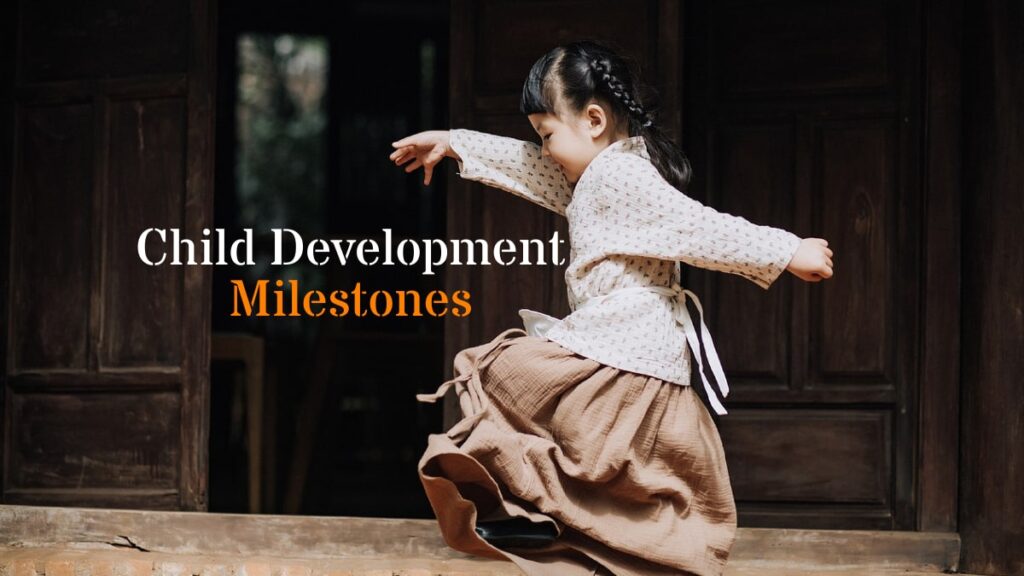
Parenting is a rewarding yet challenging journey, especially in the early years when your child undergoes rapid and remarkable developmental changes. Understanding child development milestones is crucial for parents, as it provides valuable insights into their child’s growth, learning, and overall well-being. This comprehensive guide aims to empower parents with knowledge about key developmental milestones, enabling them to support and nurture their children effectively.
“The potential of the average person is like a huge ocean unsailed, a new continent unexplored, a world of possibilities waiting to be released and channelled toward some great good.” – Brian Tracy
The Importance of Child Development Milestones
Understanding child development milestones is akin to having a roadmap that helps parents navigate the intricate terrain of parenting. These milestones encompass physical, cognitive, emotional, and social aspects, offering a holistic view of a child’s progress. By recognizing and celebrating these milestones, parents can bolster their child’s confidence and self-esteem, laying a solid foundation for future success.
EARLY CHILDHOOD DEVELOPMENT (0-2 YEARS)
Physical Milestones: In the first two years of life, babies undergo remarkable physical transformations. From the moment a baby opens their eyes to the world, parents witness a series of awe-inspiring physical milestones. These include the first smile, a heart-warming moment that signifies social engagement and emotional connection. As weeks pass, babies start to gain control over their bodies, eventually leading to the monumental achievement of rolling over. This simple act is a precursor to the more complex physical feats that follow.
Around the age of six months, many infants experience the thrilling milestone of sitting up without support. This newfound skill marks a significant improvement in their core strength and balance. As the first birthday approaches, parents eagerly anticipate the moment when their child takes those wobbly first steps, an achievement that showcases the development of motor skills and coordination. Understanding these physical milestones allows parents to identify potential concerns early and seek appropriate guidance if needed.
Cognitive Milestones: The cognitive development of infants during the first two years is nothing short of extraordinary. One of the most notable milestones is language acquisition. Babies begin by babbling, imitating the sounds they hear around them. Over time, these sounds evolve into recognizable words, a testament to their developing communication skills. For example, a child might utter “mama” or “dada,” signalling their understanding of familial relationships.
Another fascinating cognitive milestone is object permanence, which usually develops around 8 to 12 months of age. Before this, when an object is out of sight, it is often out of mind for the baby. However, as object permanence develops, infants realize that objects continue to exist even when they can’t be seen. This realization is a fundamental building block for problem-solving skills, as it enables babies to understand cause-and-effect relationships.
Emotional and Social Milestones: Emotional bonding and social interactions play a pivotal role in early childhood development. Babies are born with an innate need for emotional connection and attachment. The first signs of attachment often emerge when a baby seeks comfort from their primary caregivers. For instance, a baby might quiet down and feel secure when held by their parent, showcasing the importance of emotional bonding in their overall development.
Creating a secure and nurturing environment is essential for a child’s emotional well-being. Responsive parenting, where caregivers promptly attend to the baby’s needs, helps in building trust and confidence. As babies learn to trust their caregivers, they feel secure exploring their surroundings, knowing that they can always return to the safety of their caregiver’s arms.
PRESCHOOL YEARS (3-5 YEARS)
Preschool years are a magical period in a child’s life characterized by rapid growth and development in various domains. Here, we delve deeper into the specific aspects of language and communication skills, cognitive advancements, social skills and peer interactions, offering examples and strategies for parents to understand and support their child’s development.
Language and Communication Skills:
- Vocabulary Development: Between the ages of 3 to 5, children’s vocabulary expands significantly. At age 3, a child might have a vocabulary of around 1,000 words, but by age 5, they can have a vocabulary of up to 2,500 words or more. For instance, a 3-year-old might say, “I see the red ball,” while a 5-year-old could articulate, “The bright red ball bounces high.” Parents can actively participate by introducing new words and asking open-ended questions. For example, when reading a book about animals, you can ask, “What sound does a lion make?”
- Speech Clarity: During this period, speech clarity improves, but it’s important to remember that not all sounds are mastered at the same time. For instance, a 3-year-old might pronounce “wabbit” instead of “rabbit.” Parents should provide a supportive environment, repeating words and phrases correctly without pressuring the child.
- Communication Abilities: Pre-schoolers develop not only their vocabulary but also their ability to express thoughts and feelings. For example, a 4-year-old might say, “I’m sad because my toy broke.” Encourage open communication by actively listening to your child’s thoughts and feelings, making them feel heard and understood.
Cognitive Advancements:
- Expanding Imagination: Pre-schoolers are known for their vivid imaginations. They might create elaborate scenarios during imaginative play, such as pretending to be astronauts or pirates. These imaginative activities are vital for cognitive development as they stimulate creativity and problem-solving skills. Parents can provide props, costumes, and an imaginative space to encourage such play.
- Memory and Logical Reasoning: Cognitive development also involves memory and logical reasoning. For instance, a 4-year-old can often recall the sequence of events in a favourite storybook. Parents can support memory development by playing memory games or helping their children create stories with a clear beginning, middle, and end, promoting logical thinking.
Social Skills and Peer Interactions:
- Socialization: Preschool years are a pivotal time for children to learn the basics of social interaction. They start to understand concepts like sharing, taking turns, and showing respect. Parents can set up playdates to encourage socialization. For instance, when hosting a playdate, guide your child in sharing toys with their friend and resolving conflicts peacefully.
- Empathy: Pre-schoolers begin to grasp the concept of empathy, understanding and sharing others’ emotions. For example, if a friend is sad, a child might offer a comforting hug or kind words. Parents can foster empathy by discussing feelings, reading books that highlight empathy, and modelling empathetic behaviour themselves.
- Cooperation and Community: Encouraging cooperation and fostering a sense of community is vital at this age. Activities like group games or collaborative art projects can teach children to work together. For example, organizing a family art project where everyone contributes to a shared painting can promote a sense of belonging and teamwork.
MIDDLE CHILDHOOD (6-12 YEARS)
Middle childhood, often referred to as the “latency period” in child development milestones, is a significant phase of growth characterized by various academic, cognitive, and emotional milestones. Understanding and actively engaging with these milestones can play a pivotal role in your child’s overall development.
Academic Milestones:
- Reading: During middle childhood, children’s reading skills tend to make substantial progress. They transition from learning to read to reading to learn. At around age six or seven, most children have grasped the fundamentals of phonics and are beginning to read fluently. By age eight or nine, they can typically comprehend more complex texts and draw inferences from what they read. Parents can encourage their children’s reading by providing a variety of books that match their interests and reading levels. For example, if a child loves animals, offer books about wildlife or stories involving animal characters.
- Writing: Writing skills also advance significantly in this stage. Children start to write more legibly, express their thoughts coherently, and understand basic grammar and punctuation rules. Encourage your child to keep a journal, write stories, or create a personal blog. This practice not only enhances their writing skills but also provides an outlet for self-expression.
- Mathematical Skills: In middle childhood, children gain a deeper understanding of mathematics, progressing from basic arithmetic to more complex concepts like fractions, decimals, and basic algebra. Engage in math-related activities at home, such as playing board games that involve math (like Monopoly) or solving math problems together. Real-world applications of math, like cooking or measuring for DIY (Do It Yourself) projects, can also help solidify these skills.
Critical Thinking and Problem-Solving:
- Analytical Skills: Children between the ages of 6 and 12 become increasingly capable of analysing information and making logical connections. For example, when working on a science project, they can identify patterns and relationships, helping them draw informed conclusions.
- Curiosity: Encourage your child’s natural curiosity by engaging in conversations about the world around them. Ask open-ended questions, encourage them to ask “why” and “how,” and explore topics of interest together. If they express interest in a subject, take the time to investigate it further. This curiosity will fuel their love for learning.
- Creativity: Middle childhood is a great time to explore various creative outlets such as art, music, or even coding. Encourage your child to express themselves through these mediums, as creativity is essential for problem-solving and innovation.
Emotional Intelligence:
- Identifying Emotions: Help your child recognize and label their emotions accurately. For instance, if your child feels angry, you can ask them to describe what they’re feeling and why. This practice not only helps them understand their emotions but also encourages open communication about feelings.
- Understanding Emotions: Middle childhood is a phase where children become more empathetic and begin to understand the feelings of others. Encourage discussions about how characters in books or movies might be feeling and why. Empathy can be nurtured by modelling empathetic behaviour and discussing real-life situations that call for empathy.
- Managing Emotions: Teach your child healthy coping strategies to manage their emotions, such as deep breathing, taking a break, or talking to a trusted adult when they’re upset. Resilience is a crucial emotional skill that helps children bounce back from setbacks and challenges.
- Building Relationships: Middle childhood is an ideal time for children to cultivate their social and emotional skills. Encourage your child to build and maintain friendships, resolve conflicts, and cooperate with peers. You can facilitate this by organizing playdates and discussing the importance of being a good friend.
ADOLESCENCE (13-18 YEARS)
Adolescence, often dubbed as the “storm and stress” period, is a transformative phase in a child’s life. During this time, teenagers experience rapid physical, emotional, and cognitive changes, all while grappling with the complex tasks of identity formation, independence, and preparation for adulthood. This is a crucial juncture where parents play an instrumental role in guiding their children through the tumultuous waters of adolescence.
Identity Formation:
Adolescents are on a quest for self-discovery. They grapple with questions about who they are, their values, beliefs, and aspirations. These questions may seem like a whirlwind of confusion, but they are vital for the development of a solid self-identity. As a parent, understanding and supporting your teenager in this quest is essential. Here’s how:
- Open Communication: Encourage open, non-judgmental communication. Your teenager may experiment with different personas or explore new interests. Be receptive and empathetic, even if their choices differ from your own. Share your own experiences from your adolescent years, showcasing the idea that self-discovery is a natural part of growing up.
- Offer Guidance, Not Control: Instead of dictating who your child should be, offer guidance. Ask open-ended questions that encourage them to think about their values and goals. For example, “What interests you the most about this new hobby? How does it align with your long-term aspirations?”
- Support Their Passions: If your teenager shows a strong interest in a particular field or hobby, support them. Enrol them in classes or clubs related to their passion. This not only aids in identity formation but also builds self-esteem and a sense of purpose.
Independence and Responsibility:
Balancing the granting of independence with setting boundaries is a delicate art in parenting adolescents. This phase is marked by a struggle for autonomy, and parents must navigate this terrain with care.
- Clear Expectations: Set clear expectations for responsibilities and consequences. Discuss house rules and curfews, and ensure they understand the reasons behind these rules. This not only helps with discipline but also fosters responsibility.
- Encourage Decision-Making: Allow your teenager to make decisions, even if it means letting them make mistakes. These experiences are valuable lessons in personal responsibility. For example, if your teenager wishes to purchase a costly item, discuss budgeting with them. If they overspend and need financial assistance, it’s an opportunity to teach them about financial responsibility.
- Foster Problem-Solving Skills: Adolescents need to develop problem-solving skills to handle challenges independently. Encourage them to think critically and come up with solutions to their own problems. Ask questions like, “What do you think you can do to resolve this situation?” rather than offering immediate solutions.
Preparing for Adulthood:
Adolescence is the bridge between childhood and adulthood, and it’s crucial to equip your teenager with essential life skills to help them cross this bridge successfully.
- Financial Literacy: Teach your teenager about budgeting, saving, and financial responsibility. Allow them to manage a portion of their allowance or earnings to understand the value of money. For example, if they want to purchase a new gadget, discuss the cost, savings, and financial planning needed to achieve that goal.
- Time Management: Adolescents often have busy schedules with school, extracurricular activities, and social engagements. Teach them how to manage their time effectively. Encourage the use of planners and calendars to help them keep track of their commitments and prioritize tasks.
- Goal Setting: Work with your teenager to set both short-term and long-term goals. Whether it’s academic, personal, or career-related, goal setting instils a sense of purpose. Discuss the steps required to achieve these goals and provide guidance on how to stay motivated and overcome obstacles.
Conclusion
Navigating the intricate maze of child development milestones is a transformative experience for parents. By understanding these milestones and actively engaging with their child’s growth, parents can provide the necessary support and encouragement. Every milestone achieved signifies a step toward a brighter future. Armed with knowledge and love, parents can unlock their child’s full potential, fostering a generation of confident, capable, and compassionate individuals ready to make a positive impact on the world.