
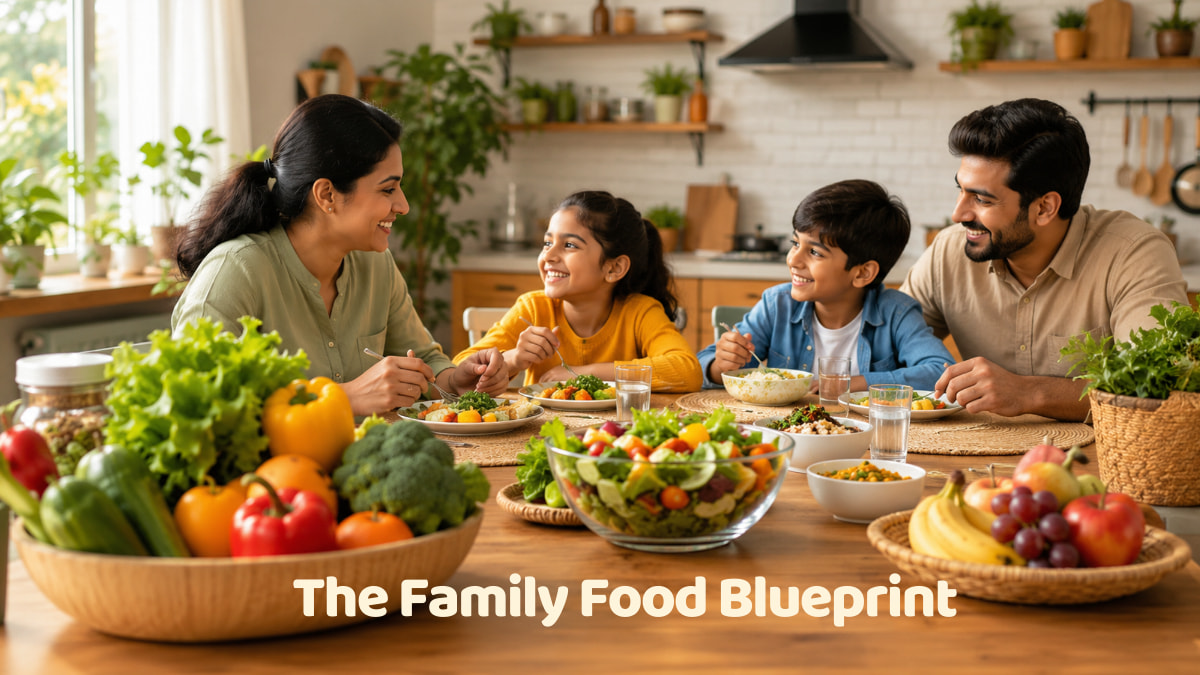
Every family dreams of living a long, healthy, and happy life. We work hard to provide a comfortable lifestyle, good education, and financial security for our loved ones. However, one of the most valuable investments we can make often receives the least attention—the food habits we create at home.
Food is not just something we eat to remove hunger. It influences our energy levels, immunity, brain function, emotional well-being, and long-term health. The habits developed in childhood often continue throughout life. A child who grows up seeing fresh fruits on the table, homemade meals in the kitchen, and family members making conscious food choices is more likely to develop the same habits as an adult.
Modern lifestyles, however, have created new challenges. Busy schedules, packaged foods, sugary beverages, fast food, and excessive screen time have changed the way families eat. Many households now prioritize convenience over nutrition, slowly increasing the risk of lifestyle-related diseases such as obesity, diabetes, and heart problems.
According to the World Health Organization (WHO), unhealthy diets are among the major risk factors contributing to non-communicable diseases worldwide. Research published in Pediatrics has also shown that children who regularly eat meals with their families generally have healthier eating patterns and lower risks of unhealthy weight gain.
The good news is that creating a healthy family food culture does not require expensive diets or complicated routines. It requires simple habits, shared responsibility, and consistency. When every family member participates, healthy eating becomes a natural lifestyle rather than a temporary effort.
“Healthy eating is not a short-term diet; it is a lifelong family habit that shapes generations.”
Build a Shared Family Vision
The foundation of a healthy food culture begins with a common family goal. Instead of treating healthy eating as a restriction or a punishment, families should see it as a way to create more energy, better health, and a higher quality of life together.
Parents play the most important role because children learn more from observation than instruction. If children see parents choosing fruits, vegetables, nuts, and balanced meals regularly, these choices become normal for them. On the other hand, asking children to eat healthy while adults frequently consume processed foods sends a confusing message.
A family should discuss why healthy food matters. Food provides the energy needed for learning, working, playing, and staying active. It supports the immune system, improves concentration, and helps prevent many health problems. When children understand the purpose behind healthy choices, they are more likely to follow them willingly.
Every family member can contribute to this mission. Parents can plan meals and purchase quality ingredients. Grandparents can share traditional recipes based on fresh and natural foods. Teenagers can learn cooking skills and help prepare meals. Younger children can participate by washing fruits, arranging the dining table, or choosing vegetables during grocery shopping.
These small responsibilities create ownership. Healthy eating stops being one person’s responsibility and becomes a family culture.
It is also important to maintain balance. A healthy lifestyle does not mean completely avoiding favourite foods. Celebrations, festivals, and occasional treats are part of life. The goal is not perfection but creating a pattern where nutritious choices are made most of the time.
Create a Healthy Kitchen
A healthy family begins with a healthy kitchen. The environment at home strongly influences food decisions because people usually choose what is easily available and convenient.
A well-planned kitchen should contain fresh fruits, vegetables, whole grains, pulses, proteins, dairy products, and healthy fats. Dry fruits and seeds such as almonds, walnuts, pistachios, raisins, dates, flaxseeds, pumpkin seeds, and chia seeds can provide essential nutrients and make excellent alternatives to processed snacks.
Keeping healthy foods visible makes a big difference. A fruit bowl placed on the dining table encourages family members to choose fruits more often. Transparent containers filled with nuts and seeds make them easily accessible when hunger strikes. Small environmental changes can create powerful behavioural changes.
A healthy pantry should gradually replace highly processed foods with better alternatives. Whole wheat, oats, millets, brown rice, barley, lentils, and beans provide better nutrition compared to refined and heavily processed options. Similarly, homemade meals usually contain fewer unnecessary additives, excessive sugar, and unhealthy fats compared to packaged foods.
Planning before shopping is another important habit. Families should prepare a simple weekly meal plan and create a grocery list before visiting the market. This reduces impulse buying and prevents the kitchen from filling with unnecessary processed foods. Buying seasonal fruits and vegetables is often more affordable and provides better freshness.
Healthy eating does not have to be expensive. Many nutritious foods are also budget-friendly. Lentils, chickpeas, eggs, peanuts, oats, bananas, seasonal vegetables, and locally available fruits provide excellent nutrition at reasonable prices. Cooking at home, reducing food waste, and using leftovers creatively can significantly reduce household expenses.
A healthy kitchen is not about having expensive ingredients. It is about making better choices with whatever resources are available.
Make Every Meal Count
Long-term health is not created by one perfect meal; it is created by thousands of small choices made every day. Breakfast, lunch, dinner, and snacks all contribute to overall nutrition.
A healthy breakfast provides energy after the overnight fasting period and prepares the body for the day ahead. Meals containing protein, fiber, and healthy fats help maintain stable energy levels and reduce unnecessary cravings. Options such as vegetable poha, oats with fruits and nuts, idli with sambar, eggs with whole-grain bread, or yogurt with seasonal fruits can provide a balanced start to the day.
Lunch should include a variety of nutrients. A simple approach is to fill half the plate with vegetables, include a good source of protein such as lentils, beans, eggs, paneer, fish, or lean meat, and add whole grains for sustained energy. A colourful plate usually indicates a wider variety of vitamins and minerals.
Dinner should generally be lighter because physical activity decreases during the evening. Including vegetables, adequate protein, and moderate portions helps digestion and supports better sleep. Whenever possible, finishing dinner a few hours before bedtime allows the body to digest food comfortably.
Healthy snacking is equally important. Instead of regularly depending on chips, biscuits, and sugary foods, families can choose fruits, roasted chickpeas, sprouts, nuts, homemade snacks, yogurt, or seeds. Replacing sugary beverages with water, buttermilk, coconut water, or fresh homemade drinks can also create a significant improvement in overall health.
Research from organizations such as the American Heart Association highlights the importance of diets rich in fruits, vegetables, whole grains, legumes, nuts, and healthy fats for reducing the risk of cardiovascular problems. The message is simple: eat more natural foods and reduce dependence on highly processed foods.
Eat Together and Learn Together
A healthy food culture is not only about what a family eats; it is also about how they eat. In today’s busy lifestyle, family meals are becoming less common. Parents may have different work schedules, children may have school activities, and everyone may be busy with digital devices. As a result, many families eat separately or while watching television and using mobile phones.
However, eating together provides benefits beyond nutrition. The dining table becomes a place where family members connect, share experiences, and strengthen relationships. It gives parents an opportunity to understand what is happening in their children’s lives and allows children to learn important values through daily conversations.
Research published in Pediatrics suggests that children who regularly eat meals with their families tend to consume more nutritious foods, including fruits and vegetables, and are less likely to develop unhealthy eating patterns. Family meals also create a positive emotional environment, which supports better communication and stronger relationships.
To make family meals meaningful, try creating a simple rule: the dining table should be a place for connection. Keep mobile phones away, reduce distractions, and encourage everyone to participate in conversations. Eating slowly and mindfully also helps the body recognize fullness, improving digestion and reducing overeating.
Cooking together is another powerful way to build a healthy food culture. Children who participate in meal preparation develop practical skills and a better understanding of nutrition. Simple activities such as washing vegetables, preparing salads, arranging plates, or helping with cooking can create confidence and responsibility.
Parents should also focus on teaching nutrition instead of promoting strict dieting. Children should learn that different foods serve different purposes. Fruits and vegetables provide vitamins, minerals, and antioxidants. Proteins help build muscles and repair tissues. Whole grains provide energy, while healthy fats from nuts and seeds support brain health.
Instead of saying, “This food is bad,” teach balance. A child who understands nutrition will make better choices even when parents are not present. Creating fear around food can lead to an unhealthy relationship with eating, while education creates awareness and independence.
The goal is to raise children who do not simply follow food rules but understand the importance of taking care of their bodies.
Move More, Eat Better
Healthy food and physical activity work together to create a healthier family. A nutritious diet provides the energy needed for daily activities, while regular movement improves strength, fitness, mood, and overall well-being.
Modern lifestyles have made many people less active. Adults often spend long hours sitting at work, while children spend significant time studying, watching television, or using digital devices. Even a balanced diet cannot fully replace the benefits of regular physical activity.
According to the World Health Organization, adults should aim for at least 150 minutes of moderate physical activity every week, while children and teenagers should engage in around 60 minutes of physical activity daily. However, exercise does not always require a gym or expensive equipment.
Families can include movement naturally in their daily routine. Evening walks after dinner, cycling, gardening, playing outdoor games, yoga, dancing, or weekend activities can improve health while creating opportunities for family bonding.
When families become active together, healthy habits become easier to maintain. A child who grows up seeing parents enjoy physical activity is more likely to develop the same attitude. The focus should not be on exercise as a punishment for eating but as a celebration of what the body can do.
A simple family walk after dinner can become a tradition that improves both physical health and emotional connection.
Small Habits, Lifelong Health
Many people fail to maintain healthy lifestyles because they try to make too many changes at once. They follow strict diets, completely eliminate favourite foods, and expect immediate results. Such approaches are difficult to sustain because they depend on temporary motivation.
Real transformation happens through small habits repeated consistently. A family can start with simple changes: eating one fruit every day, adding vegetables to every meal, drinking more water, reducing sugary beverages, or replacing packaged snacks with healthier alternatives.
Over time, these small actions become automatic. The family does not need constant willpower because the environment and routine support healthier decisions.
Creating responsibility among family members also strengthens the process. One person can manage fruits and dry fruits, another can help with grocery planning, children can prepare healthy snacks, and everyone can participate in keeping the kitchen organized. When everyone contributes, healthy living becomes a shared family value.
Families should also conduct regular health check-ins. Once a month, spend a few minutes discussing progress. Ask simple questions:
Are we eating enough fruits and vegetables?
Are we drinking enough water?
Are we reducing processed foods?
Are we eating together more often?
Is everyone participating in healthy habits?
These conversations should focus on encouragement rather than criticism. Small improvements deserve appreciation because lifelong health is built through consistency.
It is also important to remember that health is not measured only by body weight. Energy levels, quality of sleep, mental clarity, strength, and emotional well-being are equally important indicators of a healthy lifestyle.
Conclusion
A healthy family is not created through one big decision; it is created through thousands of small choices made every day. Every meal prepared at home, every fruit placed on the table, every family conversation during dinner, and every healthy habit taught to children contributes to a stronger future.
The Family Food Blueprint is not about expensive diets, complicated nutrition plans, or complete avoidance of favourite foods. It is about creating a home environment where healthy choices become natural. It is about making nutritious food easily available, involving every family member, learning together, moving together, and building habits that continue for generations.
Imagine a home where children naturally choose fruits instead of processed snacks, where family members gather around the dining table without distractions, where cooking becomes a shared activity, and where health becomes a family responsibility rather than an individual struggle.
Years later, children may not remember every meal they ate, but they will remember the habits they learned and the environment they grew up in. They will remember the conversations around the dining table, the recipes passed down from grandparents, and the importance their family gave to health.
The greatest gift a family can provide is not only education, wealth, or comfort—it is the foundation of good health. Start with one small change today. Involve everyone. Stay consistent. Because a healthier family begins with a healthier food culture, and that culture is created one meal at a time.