
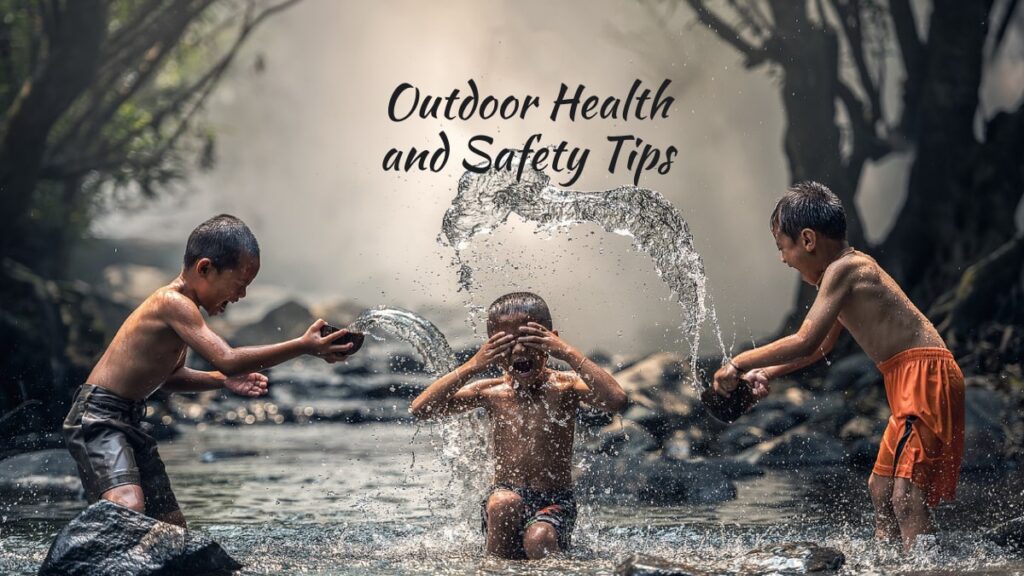
Playing outdoors is one of the best parts of being a kid. Fresh air, sunshine, and adventures in nature help children grow and learn. But for parents, it’s important to make sure these outdoor adventures are safe and enjoyable for their little ones. In this article, we will explore some simple and practical tips to keep your child safe while they have fun outdoors. From protecting them from the sun’s rays to teaching them about stranger danger, these tips are designed to help parents create a secure environment where their children can play, explore, and create wonderful memories. So, let’s dive in and discover how you can ensure your child’s outdoor experiences are not only exciting but also safe and worry-free.
“An ounce of prevention is worth a pound of cure.” – Benjamin Franklin
1. Sun Safety
Sun safety is crucial to protect your child from the harmful effects of UV rays. Here’s a more detailed breakdown:
- Wide-Brimmed Hats and Sunglasses: Encourage your children to wear wide-brimmed hats that shade their face, neck, and ears. Sunglasses with UV protection are also essential to shield their eyes from harmful rays.
- Protective Clothing: Lightweight, long-sleeved clothing made from breathable materials like cotton can provide additional protection. Ensure that their clothing covers their arms and legs to reduce direct sun exposure.
- Sunscreen: Use a broad-spectrum sunscreen with an SPF of 30 or higher. Apply it generously to all exposed skin areas, including the face, neck, arms, and legs. Be diligent in covering often-missed areas like the back of the neck, ears, and tops of the feet.
- Regular Reapplication: Reapply sunscreen every two hours, even on cloudy days, as UV rays can penetrate cloud cover. It’s also essential to reapply after swimming, even if using water-resistant sunscreen.
- Seek Shade: Teach your child to seek shade during the hottest part of the day, typically between 10 a.m. and 4 p.m. Encourage them to take breaks under trees or use umbrellas and canopies when available.
2. Hydration Matters
Proper hydration is vital to prevent dehydration, especially during outdoor activities. Here’s more on this topic:
- Water Intake: Ensure that your child drinks water regularly, even if they don’t feel thirsty. Dehydration can occur quickly, and children may not always recognize the signs. Encourage them to sip water at frequent intervals to stay adequately hydrated.
- Reusable Water Bottle: Pack a reusable water bottle for your child. Make it a habit to bring the bottle on outdoor adventures. This not only ensures access to water but also teaches your child the importance of staying hydrated.
- Signs of Dehydration: Educate your child about the signs of dehydration, such as dry mouth, dark urine, dizziness, or excessive thirst. Knowing these signs will help them recognize when it’s essential to drink more water.
3. Insect Safety
Protecting your child from insects is important to prevent bites and potential diseases. Here’s a detailed approach to insect safety:
- Insect Repellents: Use insect repellents with DEET on children over two months old. Apply it to exposed skin and clothing, but be cautious not to overapply. Follow the product’s instructions for proper usage.
- Protective Clothing: Dress your child in light-coloured, long-sleeved clothing that covers their arms and legs. Tuck their pants into their socks to prevent ticks from crawling up their legs.
- Tick Checks: After outdoor activities, especially in grassy or wooded areas, perform thorough tick checks on your child. Pay close attention to hidden areas like the scalp, behind the ears, and between fingers and toes.
- High-Grass Avoidance: Teach your child to avoid areas with high grass and dense vegetation, where ticks and other insects may hide.
4. Playground Safety
Playgrounds are great for physical activity but can pose safety risks. Here’s a more detailed approach to ensuring playground safety:
- Age-Appropriate Equipment: Ensure that your child plays on age-appropriate equipment. Equipment designed for older children may have height and weight restrictions, which can lead to accidents if not followed.
- Supervision: Always supervise your child at the playground. Watch for any unsafe behavior or potential hazards, and intervene when necessary.
- Inspect the Equipment: Before allowing your child to play, inspect the playground equipment for any broken or sharp parts that could cause injuries. Report any issues to the appropriate authorities.
- Safe Play: Teach your child to wait their turn, share, and play safely. Encourage them to avoid pushing, shoving, or engaging in rough play that could lead to accidents.
5. Bicycle Safety
Bicycle safety is essential to prevent accidents and injuries. Here’s a more detailed breakdown:
- Helmet Usage: Ensure that your child wears a properly fitted helmet at all times while cycling. The helmet should fit snugly, covering the forehead without tilting backward or forward.
- Bike Maintenance: Regularly check your child’s bike for proper maintenance. This includes inspecting brakes, tires, reflectors, and ensuring that the bike is the right size for your child.
- Traffic Rules: Teach your child the importance of following traffic rules, including stopping at stop signs and red lights, using hand signals, and yielding the right of way when appropriate.
- Visibility: Encourage your child to wear bright, visible clothing, especially during low-light conditions or in areas with heavy traffic. Attach reflectors to the bike to enhance visibility.
6. Water Safety
Water activities can be thrilling, but they also come with inherent risks. It’s crucial to prioritize water safety when your child is around any body of water, be it a pool, lake, river, or the ocean.
- Supervision is Paramount: Regardless of your child’s swimming ability, always provide constant supervision when they are near water. Drowning can occur quickly and silently, so never leave your child unattended. Even experienced swimmers need close monitoring, as accidents can happen to anyone.
- Use Appropriate Floatation Devices: For young or inexperienced swimmers, using appropriate floatation devices, such as life jackets or water wings, is essential. Ensure these devices are properly fitted and in good condition. Teach your child that these are not substitutes for supervision but additional safety measures.
- Teach Basic Water Safety Rules: Educate your child on basic water safety rules, such as not running around the pool area, refraining from pushing or shoving near the water, and never swimming alone. Emphasize the importance of entering the water feet first, rather than diving into unfamiliar areas.
- Learn CPR: Consider taking a CPR and first-aid course. Knowing how to perform CPR can be a lifesaving skill, especially in water-related emergencies.
7. First Aid Kit
Accidents can happen during outdoor activities, and being prepared with a well-equipped first aid kit is vital. The kit should include items that can address minor injuries and discomforts:
- Bandages: Include a variety of bandages of different sizes to treat cuts, scrapes, and blisters.
- Antiseptic Wipes: Use antiseptic wipes to clean wounds to prevent infection.
- Tweezers: Tweezers can be handy for removing splinters, thorns, or debris from a wound.
- Instant Cold Packs: These are useful for reducing swelling and alleviating pain from minor injuries.
- Medications: If your child requires specific medications for allergies or medical conditions, make sure to include them in the kit.
- Basic First Aid Guide: Familiarize yourself with basic first aid procedures. Having a reference guide can be invaluable in case of emergencies.
8. Weather Awareness
Weather conditions can change rapidly, which is why it’s important to stay informed and be prepared for unexpected weather changes during outdoor activities.
- Check Weather Forecasts: Before heading outdoors, consult weather forecasts from reliable sources. Be aware of any alerts or warnings related to severe weather conditions like thunderstorms, lightning, or heavy rain.
- Pack Appropriately: Based on the weather forecast, pack appropriate clothing. If there’s a chance of rain, bring rain jackets or ponchos. In colder weather, layering is key to staying warm.
- Teach Your Child: Educate your child about the signs of approaching storms, such as dark clouds, thunder, or lightning. Teach them what to do if caught in adverse weather conditions, like seeking shelter and avoiding open fields, tall trees, and bodies of water.
9. Allergies and Medical Conditions
If your child has allergies or medical conditions, it’s essential to take extra precautions to ensure their safety during outdoor activities.
- Inform Caregivers and Friends: Make sure that caregivers, teachers, friends’ parents, and anyone responsible for your child’s well-being are aware of their specific needs, allergies, or medical conditions.
- Carry Necessary Medications: If your child has allergies, ensure they carry necessary medications, such as an epinephrine auto-injector, at all times. Make sure that your child knows how to use it, and educate others on its usage in case of emergencies.
- Allergy-Friendly Snacks: If your child has food allergies, provide them with allergy-friendly snacks for outdoor outings to avoid accidental exposure.
10. Encourage Open Communication
Open communication is a fundamental aspect of outdoor safety. Encourage your child to voice their concerns and questions during outdoor activities, no matter how small they may seem.
- Recognize Unsafe Situations: Teach your child to recognize unsafe situations and potential dangers. Encourage them to trust their instincts and remove themselves from any situation that makes them uncomfortable.
- Seek Help When Needed: Explain to your child when it’s appropriate to seek help from a trusted adult or authority figure. Make sure they know how to call for help or find a nearby responsible person in case of emergencies.
- Fostering Trust: Fostering open communication creates trust between you and your child. Knowing that they can come to you with any worries or concerns will help ensure their safety during outdoor activities.
11. Teach Stranger Danger
Educating your child about “stranger danger” is a critical aspect of their safety education. It’s important to instil in them the awareness of potential risks when interacting with unknown individuals. Here’s a detailed breakdown of how to address this issue:
- Explain the Concept: Start by explaining the concept of strangers. Let your child know that not all strangers are dangerous, but it’s essential to be cautious when dealing with people they don’t know.
- Establish Boundaries: Teach your child not to talk to, accept gifts from, or go anywhere with strangers. Emphasize that it’s not about being rude but about staying safe.
- The Code Word: Consider establishing a secret code word that only you and your child know. This code word can be used in emergencies to verify someone’s identity. Explain that if someone, even a familiar face, claims they were sent by you, your child should ask for the code word. If the person doesn’t know it, they should not go with them.
- Role-Playing: Engage in role-playing scenarios with your child to help them practice how to respond in various situations involving strangers. This can help them develop the confidence and skills to handle such encounters safely.
- Trust Instincts: Encourage your child to trust their instincts. If they ever feel uncomfortable or unsafe around someone, they should know it’s okay to say “no” and seek help immediately.
12. Supervision is Key
Supervision is a fundamental component of child safety, especially in unfamiliar environments. Here’s a more detailed explanation of how you can ensure your child’s well-being through supervision:
- Age-Appropriate Supervision: Tailor your level of supervision to your child’s age, maturity, and the specific environment. Younger children require closer supervision, while older children may be granted more independence gradually as they prove their ability to make responsible decisions.
- Unfamiliar Environments: When your child is in an unfamiliar environment, like a new park or when visiting friends’ houses, ensure there is a responsible adult present who can oversee their activities. Make arrangements with other parents to confirm supervision, and communicate clearly about expectations.
- Regular Check-Ins: Even if your child is in a safe environment, make it a habit to check in on them periodically. Ask how they are doing, if they need anything, and if they have any concerns. This helps maintain an open line of communication and lets them know you’re attentive to their well-being.
- Awareness of Surroundings: Teach your child to be aware of their surroundings. Encourage them to report any unusual or concerning situations to you or the responsible adult in charge.
13. Prepare for Emergencies
Being prepared for emergencies is crucial for your child’s safety. Here’s a more in-depth look at how you can equip your child to handle unexpected situations:
- Emergency Contact Information: Ensure your child knows their full name, your name, home address, and phone number. Teach them to recite this information, as it can be invaluable in case of separation or emergencies.
- Role-Playing Scenarios: Role-play various emergency scenarios with your child, such as getting lost in a store or park. This practice can help them remain calm and know how to seek help if such situations arise.
- Teach How to Call for Help: Depending on your child’s age, teach them how to call for help, including dialling emergency numbers like 911. Discuss when it’s appropriate to call for help and when to reach out to a trusted adult first.
- Meeting Points: In case your child gets separated from you in a public place, establish a meeting point where you can reunite. Make sure your child knows the location and what to do if they can’t find you.
14. Teach Fire Safety
If your outdoor activities involve fire, such as campfires or barbecues, it’s crucial to teach your child about fire safety in detail:
- Dangers of Fire: Explain the potential dangers of fire, including burns and how quickly fire can spread. Emphasize the importance of treating fire with respect.
- Matches and Lighters: Teach your child to never play with matches or lighters and to report any discovery of these items to an adult immediately.
- Keep a Safe Distance: Explain the importance of keeping a safe distance from open flames. Make sure your child knows not to touch or get too close to a campfire or barbecue, as they can be very hot and cause burns.
- Supervision: Always supervise your child closely when there is an open flame. Monitor them to ensure they don’t accidentally get too close to the fire source.
15. Address Mental and Emotional Well-being
The mental and emotional well-being of your child is just as important as their physical safety. Here’s how outdoor activities can contribute to their mental and emotional health:
- Nature’s Calming Effect: Spending time in natural surroundings has a calming effect on the human mind. It can reduce stress and anxiety, promoting emotional well-being.
- Encourage Outdoor Play: Encourage your child to engage in outdoor activities like hiking, picnicking, or simply playing in the park. These activities provide an opportunity for relaxation, creativity, and a break from the pressures of everyday life.
- Quality Family Time: Outdoor activities also provide an excellent opportunity for quality family time. Bonding with your child in a natural setting can strengthen your relationship and create lasting, positive memories.
Conclusion
Ensuring your child’s safety during outdoor adventures requires a combination of vigilance, education, and preparation. By instilling a sense of responsibility, teaching essential safety rules, and fostering open communication, parents can create an environment where their children can explore the outdoors safely. By following these additional tips, parents can empower their children to enjoy the wonders of the natural world while minimizing risks and ensuring their overall well-being. With careful planning and attention, every outdoor experience can be a memorable and safe adventure for your child.