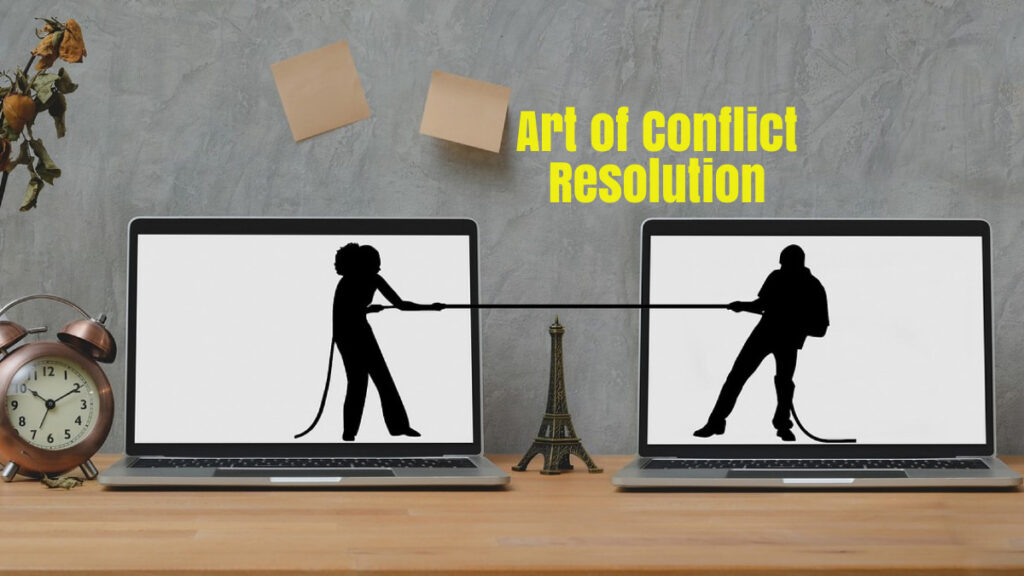
Conflict is an inevitable part of human interaction, arising from differences in opinions, values, and goals. Whether it occurs in personal relationships, workplaces, or communities, conflict can disrupt harmony and hinder progress. However, conflict resolution, a skilful and strategic approach to addressing disputes, can transform confrontations into opportunities for growth, understanding, and stronger relationships. In this blog, we will explore the essence of conflict resolution, its importance in various contexts, and effective strategies to navigate through conflicts, fostering harmony and cooperation.
“Peace is not the absence of conflict but the presence of creative alternatives for responding to conflict.” – Dorothy Thompson
Conflict, at its core, is a clash between opposing interests, ideas, or values. It can manifest in different forms, such as interpersonal conflicts, organizational disputes, or international tensions. Conflicts often arise due to miscommunication, unmet expectations, or competition for limited resources. Recognizing the sources and dynamics of conflict is the first step towards resolving it effectively.
THE IMPORTANCE OF CONFLICT RESOLUTION
Conflict resolution is crucial for maintaining healthy relationships and promoting collaboration and innovation. Unresolved conflicts can lead to resentment and stress, creating a toxic environment. On the contrary, successful resolution strengthens relationships, improves communication, and fosters positive atmospheres where individuals and organizations thrive. In personal relationships, addressing conflicts preserves trust and mutual respect, ensuring emotional well-being. In workplaces, effective conflict resolution encourages diverse teams to voice ideas, fostering innovation and creative problem-solving. By resolving conflicts constructively, organizations create a conducive environment for collaboration, leading to increased efficiency and overall success.
PRIME REASONS FOR CONFLICTS
Conflicts arise from a variety of factors, often rooted in human nature, societal structures, and interpersonal dynamics. Here are five prime reasons for conflicts:
- Miscommunication: One of the most common reasons for conflicts is miscommunication. Communication breakdowns can occur due to various factors such as differences in communication styles, language barriers, or lack of clarity in expressing thoughts and emotions. Misinterpreted messages can lead to misunderstandings, confusion, and eventually, conflicts. For example, a simple misunderstanding in a workplace email or a misinterpreted statement in a personal relationship can escalate into a significant conflict if not addressed promptly.
- Differences in Values and Beliefs: Conflicts often arise when individuals or groups with different values, beliefs, or cultural backgrounds interact. These differences can be related to religious beliefs, political ideologies, ethical standards, or even lifestyle choices. When people with contrasting values and beliefs encounter each other, it can lead to disagreements, judgments, and intolerance, which, if unresolved, can escalate into conflicts. Learning to respect and appreciate diversity can mitigate conflicts arising from differences in values and beliefs.
- Limited Resources: Competition for limited resources is a prime cause of conflict, especially in contexts where resources such as money, time, energy, or opportunities are scarce. In workplaces, for instance, employees might compete for promotions or recognition, leading to conflicts of interest. Similarly, in communities or nations, disputes over land, water, or other valuable resources can escalate into significant conflicts. Addressing resource allocation issues through fair policies and transparent decision-making processes can help minimize conflicts arising from limited resources.
- Unmet Needs and Expectations: When individuals’ needs or expectations are not met, it can lead to frustration, disappointment, and conflict. This could be in the form of unmet emotional needs in personal relationships, unfulfilled expectations in professional settings, or dissatisfaction with the distribution of responsibilities and chores in a household. Unaddressed, these unmet needs can create tension and resentment, making conflict resolution essential to restoring harmony and understanding.
- Power Struggles: Conflicts often arise in situations where there is a perceived or real imbalance of power. This can occur in workplaces, families, or social groups. When individuals or groups feel powerless or unfairly treated, they might engage in power struggles to assert their rights or gain control. Power struggles can lead to manipulation, aggression, or passive-aggressive behaviour, creating a hostile environment. Resolving power-related conflicts requires addressing the root causes of power imbalances, promoting fairness, and encouraging open communication.
METHODS FOR CONFLICT RESOLUTION
1. Collaborative Problem-Solving
Collaborative problem-solving is a method of conflict resolution that emphasizes teamwork and mutual understanding. It focuses on addressing the underlying concerns and needs of all parties involved. Here’s how it works:
- Understanding the Issues: The first step in collaborative problem-solving is identifying the issues causing the conflict. Each party involved in the conflict expresses their concerns, perspectives, and needs. Active listening plays a crucial role here, allowing each party to feel heard and valued.
- Brainstorming Solutions: Once the issues are clear, the next step involves brainstorming solutions. All parties collectively generate ideas without judgment. This process encourages creativity and helps in exploring options that might not have been considered before.
- Evaluating and Compromising: After brainstorming, the solutions are evaluated based on their feasibility, effectiveness, and ability to address the concerns of all parties. Compromises are often necessary, and each party may need to give up something to reach a resolution. Negotiation skills are vital in this phase to ensure that everyone is willing to make reasonable concessions.
- Agreement and Implementation: Once a mutually agreeable solution is found, the parties involved formalize the agreement. Clear guidelines, responsibilities, and timelines are established. Regular follow-ups might be necessary to ensure that everyone is upholding their end of the bargain.
Benefits: Collaborative problem-solving encourages a sense of ownership and commitment among the parties involved. It promotes understanding and strengthens relationships by focusing on shared goals and mutual benefits.
2. Mediation
Mediation involves the intervention of a neutral third party to facilitate the resolution process. The mediator’s role is to guide the conversation, ensuring that both parties are heard and understood. Here’s how mediation works:
- Neutral Facilitation: The mediator creates a safe environment where both parties can express their concerns without fear of judgment. They ensure that the discussion remains focused and respectful. Mediators are trained to manage power imbalances and emotions during the conversation.
- Identifying Issues and Interests: The mediator helps the parties identify the underlying issues and interests. Often, conflicts are fueled by unmet needs or misunderstood intentions. By clarifying these aspects, the mediator lays the foundation for finding a resolution.
- Generating Options: With a clear understanding of the issues, the mediator assists the parties in generating potential solutions. Mediators are skilled in brainstorming techniques, helping the parties explore a wide range of options that might not be apparent to them.
- Agreement and Closure: Once a mutually agreeable solution is reached, the mediator helps formalize the agreement. The agreement is often put in writing and signed by both parties, creating a binding contract. Follow-up sessions might be scheduled to ensure that the agreement is being implemented effectively.
Benefits: Mediation provides a structured and controlled environment for resolving conflicts. The neutral mediator ensures fairness and encourages open communication, often leading to more enduring and satisfactory solutions.
3. Assertive Communication
Assertive communication is a vital tool for resolving conflicts, especially in interpersonal relationships. It involves expressing one’s thoughts, feelings, and needs openly and honestly, while also respecting the rights and perspectives of others. Here’s how it works:
- Clear Expression of Feelings: Assertive communication starts with expressing feelings clearly and honestly. Use “I” statements to avoid sounding accusatory. For instance, instead of saying, “You always ignore my ideas,” say, “I feel unheard when my ideas are not acknowledged.”
- Active Listening: Being assertive also means being a good listener. Pay attention to the other person’s perspective without interrupting. Show that you are listening by nodding, maintaining eye contact, and providing verbal cues.
- Setting Boundaries: Assertive communicators set clear boundaries regarding what behaviour is acceptable and what is not. They communicate assertively if someone crosses these boundaries, expressing their discomfort and requesting a change in behaviour.
- Problem-Solving Language: Assertive communication focuses on finding solutions. Use problem-solving language to discuss the issue at hand. Instead of blaming or accusing, frame the conversation around finding ways to resolve the problem.
Benefits: Assertive communication promotes mutual respect and understanding. It allows individuals to express their needs and concerns effectively, leading to healthier and more constructive interactions.
KEY BENEFITS OF CONFLICT RESOLUTION
Conflict resolution is not just about ending disputes; it offers numerous benefits that contribute to healthier relationships, improved communication, and overall personal and professional growth. Here are seven key benefits of conflict resolution in detail:
- Improved Relationships: Effective conflict resolution leads to stronger, more resilient relationships. When conflicts are resolved respectfully and collaboratively, it fosters trust and deepens the connection between individuals. Conflicts are inevitable in any relationship, but how they are resolved can either strengthen or weaken the bond.
- Enhanced Communication Skills: Conflict resolution requires active listening, empathetic understanding, and the ability to express oneself clearly and assertively. Engaging in these communication skills not only helps resolve conflicts but also improves overall communication in personal and professional interactions. Individuals become better at conveying their thoughts and emotions while also being receptive to others’ perspectives.
- Increased Self-awareness: Conflict often brings to light underlying emotions, triggers, and personal values. Engaging in conflict resolution encourages self-reflection, helping individuals become more aware of their own needs, biases, and emotional reactions. This self-awareness is a stepping stone for personal growth and development.
- Enhanced Problem-Solving Skills: Conflict resolution involves finding mutually beneficial solutions to problems. As individuals practice resolving conflicts, they develop better problem-solving skills. They learn to think creatively, consider various options, and assess the pros and cons of different approaches. These skills are transferable and valuable in various aspects of life.
- Reduced Stress and Tension: Unresolved conflicts can be a significant source of stress and tension. They can fester and negatively impact emotional and physical well-being. Conflict resolution not only relieves this stress but also prevents it from escalating into chronic issues. A conflict-free environment promotes mental and emotional health.
- Higher Productivity and Creativity: In the workplace, effective conflict resolution leads to better teamwork, increased morale, and higher productivity. When conflicts are resolved promptly, it frees up time and energy for more productive activities. Moreover, diverse perspectives that often lead to conflicts can also spark creativity and innovation when harnessed constructively.
- Enhanced Leadership Skills: For those in leadership positions, conflict resolution is a critical leadership skill. Leaders who can navigate and resolve conflicts within their teams create a positive and productive work environment. They gain the respect and trust of their team members, and their leadership becomes more effective and influential.
Overall, Conflict resolution is an invaluable skill that empowers individuals and communities to transform conflicts into opportunities for growth and understanding. By embracing active listening, empathy, and effective communication, conflicts can be resolved in a way that strengthens relationships and fosters cooperation. In a world where differences are inevitable, mastering the art of conflict resolution is not just a skill; it is a cornerstone for building harmonious relationships and a more peaceful society.