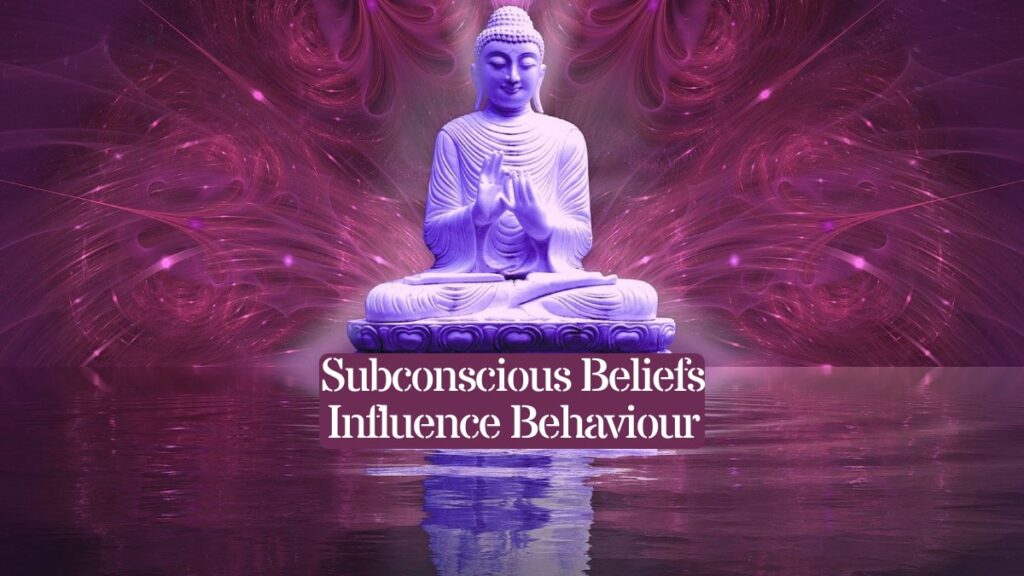
Have you ever wondered why we do the things we do? Well, it turns out that our actions are influenced by two parts of our mind: one we’re aware of (conscious) and another that works in the background (subconscious). Our conscious thoughts and choices are important, but there’s also a hidden part of our mind, the subconscious, that has a big say in how we act. It’s like our secret superpower! This hidden part holds beliefs that we’ve picked up over time, and these beliefs can change how we see things, how we react, and what we do. Some of these beliefs can be really helpful, while others might not be so great. In this blog, we’re going to explore these subconscious beliefs and see how they affect the way we behave.
“Our beliefs are the invisible architects of our behaviour.” – David Eagleman
The Subconscious Mind: A Silent Operator
Before we dive into the world of subconscious beliefs, let’s first understand what the subconscious mind is and how it operates. The human mind can be broadly divided into two parts: the conscious mind and the subconscious mind. The conscious mind encompasses our awareness of thoughts, feelings, and experiences in the present moment. It is the part of the mind that we actively engage when making decisions, solving problems, or analysing information.
On the other hand, the subconscious mind operates below the surface of conscious awareness. It stores a vast reservoir of information, memories, and beliefs accumulated over a lifetime. Unlike the conscious mind, the subconscious mind doesn’t engage in critical thinking or logic. Instead, it operates on autopilot, influencing our thoughts, emotions, and behaviours without us even realizing it.
The Formation of Subconscious Beliefs
Subconscious beliefs are formed through a variety of life experiences, including childhood upbringing, cultural influences, personal traumas, and social conditioning. These beliefs are like the hidden software running in the background of our minds, shaping our perceptions and decisions.
Early Childhood: Our early childhood experiences play a pivotal role in shaping our subconscious beliefs. During this formative period, our minds are highly impressionable, and we absorb information like sponges. Here’s a closer look at how early childhood influences our subconscious beliefs:
- Parental Influence: Parents and caregivers are the primary architects of a child’s early belief system. The values, attitudes, and behaviours they model become ingrained in the child’s subconscious. For instance, if parents consistently emphasize the importance of honesty, the child is likely to develop a subconscious belief that honesty is a virtue.
- Attachment Style: The quality of attachment between a child and their primary caregivers can influence subconscious beliefs about trust, security, and relationships. Children with secure attachments tend to develop positive beliefs about their worthiness of love and care, while those with insecure attachments may develop beliefs centered around mistrust and inadequacy.
- Early Experiences: Traumatic or challenging experiences during early childhood can have a profound impact on subconscious beliefs. An incident of bullying, for example, may lead to subconscious beliefs about one’s helplessness or unworthiness.
Cultural Influences: Cultural influences are pervasive and often shape our subconscious beliefs in subtle yet powerful ways:
- Norms and Values: Each culture has its own set of norms and values that guide behaviour. Subconsciously, individuals may internalize these cultural norms, leading to beliefs about what is considered acceptable or taboo. For example, in some cultures, modesty and humility may be highly valued, leading individuals to develop subconscious beliefs that discourage self-promotion or assertiveness.
- Religious Beliefs: Religious upbringing can contribute to deeply ingrained subconscious beliefs about spirituality, morality, and the afterlife. These beliefs may influence a person’s sense of purpose and ethical decision-making throughout their life.
Personal Experiences and Traumas: Personal experiences, especially traumatic ones, have a profound influence on subconscious beliefs:
- Trauma: Traumatic events can create subconscious beliefs related to safety, trust, and vulnerability. For instance, someone who has survived a car accident may develop a subconscious belief that the world is a dangerous place, leading to heightened anxiety and risk-averse behaviour.
- Success and Failure: Personal successes and failures contribute to subconscious beliefs about one’s abilities and potential. Consistent successes may foster beliefs in one’s competence, while repeated failures can lead to beliefs of inadequacy or incompetence.
Social Conditioning: Society, through various channels, continually influences our subconscious beliefs:
- Media: Mass media, including television, movies, web series, and the internet, shape our subconscious beliefs about beauty standards, wealth, and success. Images of “ideal” beauty or portrayals of successful individuals can create unrealistic expectations and self-esteem issues.
- Advertising: Advertisers strategically use emotional appeals and psychological tactics to create subconscious beliefs about their products. For example, a perfume advertisement may suggest that wearing their fragrance will make someone more attractive or confident, leading to a subconscious belief that ties personal worth to a product.
- Social Interactions: Interactions with peers and social groups also contribute to the formation of subconscious beliefs. Pressure to conform to group norms can lead to beliefs about fitting in or being accepted, even if those beliefs conflict with one’s authentic self.
The Impact of Subconscious Beliefs on Behaviour
Now that we have a better understanding of how subconscious beliefs are formed, let’s explore their profound impact on behaviour.
Perception and Interpretation: Subconscious beliefs serve as a filter through which we perceive and interpret the world around us. Imagine these beliefs as a pair of tinted glasses; they colour the way we see everything. For instance, if someone holds a subconscious belief that they are not good enough, this belief can distort their perception of external feedback.
- Example: Suppose they receive constructive criticism at work. Instead of viewing it as an opportunity for growth, their belief in their inadequacy may lead them to interpret this feedback as a personal attack. This skewed interpretation can trigger defensiveness and potentially strain their professional relationships.
- Impact on Behaviour: This individual’s behaviour may manifest as defensiveness, avoidance of feedback, or an inability to accept constructive criticism. Their distorted perception, rooted in their subconscious belief, drives these behavioural responses.
Emotions: Subconscious beliefs are closely intertwined with our emotional experiences. These beliefs can create a pervasive emotional backdrop that colours our daily life, often regardless of external circumstances. Let’s consider the example of feeling unworthy of love:
- Example: A person with a subconscious belief that they are unworthy of love may experience feelings of loneliness and sadness, even when they are surrounded by loving friends and family. These feelings happen because their belief makes them feel bad about themselves and changes how they feel inside.
- Impact on Behaviour: Loneliness and sadness stemming from this belief can lead to behaviour such as withdrawal from social interactions, difficulty forming and maintaining relationships, or even seeking unhealthy coping mechanisms like overeating or substance abuse to temporarily numb the emotional pain.
Decision-Making: Subconscious beliefs can significantly influence our decision-making processes, often overshadowing rational and logical thinking. Consider someone with a subconscious belief that they will never be financially successful:
- Example: When presented with an opportunity for career advancement or financial investment, their subconscious belief can override any logical reasoning that suggests it’s a good opportunity. They might decline the advancement or hesitate to invest because their belief system convinces them that success in these areas is unattainable.
- Impact on Behaviour: This individual’s behaviour directly impacts their career and financial prospects. They may miss out on opportunities for growth, financial stability, or personal development, reinforcing the belief that they are destined for financial failure.
Self-Sabotage: Subconscious beliefs are often at the root of self-sabotaging behaviours. These behaviours are counterproductive actions that undermine our goals and aspirations. Let’s consider someone who deeply believes they are destined to fail:
- Example: This person may procrastinate on important tasks or engage in self-destructive behaviours, such as excessive procrastination, avoiding responsibility, or undermining their own efforts to succeed. These actions align with their subconscious belief in their own inevitable failure.
- Impact on Behaviour: Self-sabotaging behaviours can manifest as missed opportunities, unfulfilled potential, and a perpetuation of the belief that they are indeed incapable of success. This becomes a self-fulfilling prophecy, reinforcing their negative belief system.
Limiting or Empowering Beliefs: Subconscious beliefs can be categorized as either limiting or empowering. These beliefs can shape our self-image and influence our actions accordingly.
- Limiting Beliefs: Subconscious beliefs that limit us, such as believing we are unable to change, can hinder personal growth. For example, if someone deeply believes they are incapable of change, they may resist attempts at self-improvement and remain stagnant in self-defeating patterns.
- Empowering Beliefs: On the other hand, empowering beliefs, such as believing in one’s resilience and adaptability, can propel individuals toward success. If someone believes in their ability to adapt and overcome challenges, they are more likely to persevere through adversity and actively pursue their goals.
- Impact on Behaviour: These beliefs directly influence behaviour. Limiting beliefs can lead to passivity and a lack of effort to overcome challenges, while empowering beliefs can drive proactive behaviour, problem-solving, and personal growth.
Uncovering and Rewriting Subconscious Beliefs
Given the profound impact of subconscious beliefs on behaviour, it is essential to uncover and, when necessary, rewrite these beliefs. Here are some strategies for doing so:
Self-Reflection: Self-reflection is the process of examining your thoughts, emotions, and behaviours with a curious and non-judgmental mindset. To uncover and potentially rewrite your subconscious beliefs, follow these steps:
- Journaling: Start by keeping a journal where you record your daily thoughts, feelings, and experiences. This practice can help you identify recurring patterns and triggers in your life.
- Questioning Yourself: Whenever you notice a recurrent emotional reaction or behaviour, take a moment to ask yourself why you’re reacting this way. Dig deeper to uncover the underlying beliefs that may be driving your actions.
- Identifying Patterns: Look for consistent themes in your journal entries or emotional responses. For instance, if you often feel anxious in social situations, ask yourself why this might be the case. You may discover beliefs related to social acceptance or self-worth.
Seeking Feedback: Sometimes, we are too close to our own experiences to see certain patterns or beliefs clearly. Trusted friends and family members can offer valuable insights. Here’s how to go about seeking feedback:
- Open and Honest Conversations: Have open and honest discussions with people who know you well. Ask them for their observations about your behaviour, reactions, and beliefs. They may provide perspectives you haven’t considered.
- Listening Actively: When seeking feedback, listen without defensiveness. Be open to constructive criticism and different viewpoints, as these can help you gain a better understanding of yourself.
- Ask Specific Questions: Prompt your friends or family members with specific questions about your behaviour. For example, you could ask, “Do you notice any recurring patterns in how I handle stress?” Their responses might reveal subconscious beliefs related to stress management.
Therapy and Counselling: Professional therapy or counselling is one of the most effective ways to uncover and address deeply ingrained subconscious beliefs. Here’s how it can help:
- Root Cause Exploration: Therapists are skilled at helping individuals explore the root causes of their beliefs. They can guide you in examining past experiences, traumas, and relationships that may have contributed to the formation of your beliefs.
- Strategies for Change: Therapists can provide evidence-based techniques and strategies to challenge and modify negative or limiting beliefs. Cognitive-behavioural therapy (CBT), for example, is known for its effectiveness in this regard.
- Safe and Supportive Environment: Therapy offers a safe and non-judgmental space to discuss and work through your beliefs. Therapists can provide valuable insights and support throughout your journey of self-discovery and change.
Mindfulness and Meditation: Mindfulness and meditation practices are centered around cultivating present-moment awareness. These techniques can help you become more attuned to your thoughts and emotions, aiding in the identification and transformation of subconscious beliefs:
- Mindfulness Meditation: Engage in mindfulness meditation regularly to observe your thoughts and emotions as they arise. This practice helps you detach from automatic reactions and gain a clearer perspective on your beliefs.
- Body Scan: Incorporate body scan meditations to become aware of physical sensations associated with certain emotions. This can help you connect emotional reactions to underlying beliefs.
- Breath Awareness: Focusing on your breath during meditation can assist in calming your mind and creating mental space for introspection. This can make it easier to identify and challenge subconscious beliefs.
Positive Affirmations: Positive affirmations are statements aimed at reinforcing desired beliefs and attitudes. They can be a powerful tool for challenging and rewriting negative or limiting subconscious beliefs:
- Create Personalized Affirmations: Identify the specific negative beliefs you want to counteract and create affirmations that directly address them. Make sure your affirmations are positive, present-tense, and believable to you.
- Consistent Practice: Repeat your affirmations daily, ideally in the morning or before bedtime. Consistency is key to rewiring your subconscious mind.
- Emotional Engagement: As you recite your affirmations, try to evoke the emotions associated with the desired beliefs. This emotional engagement can help solidify the new beliefs in your subconscious.
Visualization: Visualization is a technique that involves mentally rehearsing desired behaviours or outcomes. It can be a powerful tool for reshaping subconscious beliefs:
- Create Vivid Mental Images: Imagine yourself behaving in ways that align with your desired beliefs. Visualize the situations, emotions, and actions involved as vividly as possible.
- Repetition: Practice visualization regularly to reinforce the new mental associations. Visualization can help your subconscious mind accept and integrate the desired beliefs into your self-concept.
- Use Positive Reinforcement: When visualizing success, pair it with positive emotions and self-affirmations. This can strengthen the connection between the new belief and positive feelings.
Conclusion
Subconscious beliefs are powerful forces that shape our behaviour and experiences in ways we often overlook. They are the silent operators behind the scenes, influencing our perceptions, emotions, and decisions. Understanding the formation and impact of these beliefs is the first step towards personal growth and positive change.
By becoming more aware of our subconscious beliefs and actively working to reshape them, we can break free from self-limiting patterns and lead more fulfilling lives. It’s a journey of self-discovery and transformation that holds the potential to unlock our true potential and lead us towards greater happiness and success.