
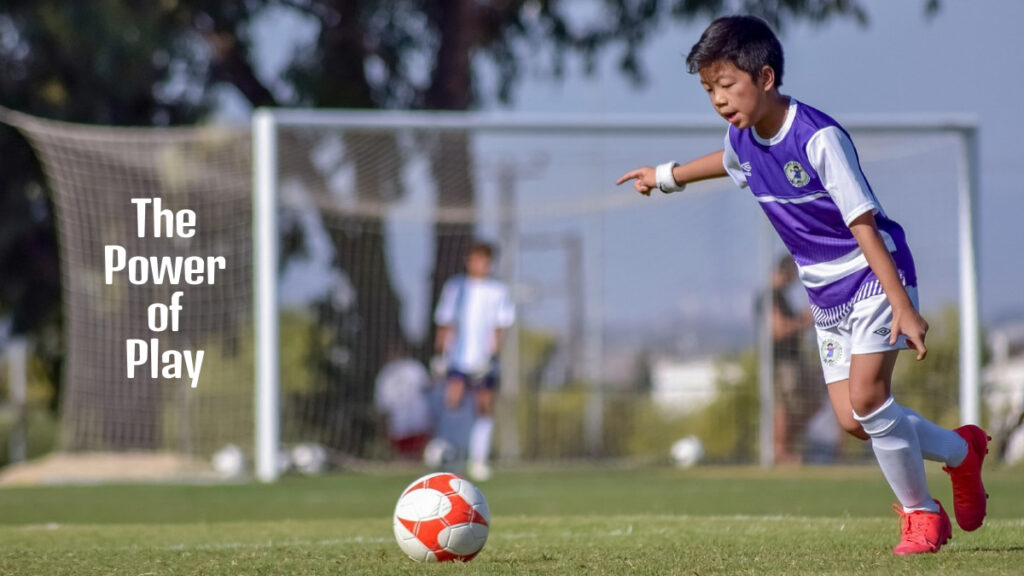
In a world increasingly dominated by structured activities, digital devices, and academic pressures, the simple joy of play often gets overlooked. Yet, play is not merely a laughing pastime for children; it is a fundamental component of healthy development. Play facilitates physical, emotional, social, and cognitive growth, providing a foundation for lifelong learning and well-being. This blog delves into the multifaceted benefits of play, emphasizing its irreplaceable role in child development.
“Play is often talked about as if it were a relief from serious learning. But for children, play is serious learning. Play is really the work of childhood.” – Fred Rogers
The Definition and Types of Play
Play is an activity that is freely chosen, naturally motivated, and personally directed. It comes in various forms, each contributing uniquely to a child’s growth:
- Physical Play involves activities that engage the body through movement, such as running, jumping, and climbing. This form of play is vital for enhancing physical fitness, improving coordination, and developing motor skills. Through physical play, children build strong muscles and bones, improve their cardiovascular health, and refine their gross motor skills, which involve the larger muscles of the body. Additionally, fine motor skills, which involve smaller muscle groups, are honed through activities like drawing or playing with small objects. Physical play also helps children learn about their physical limits and how to manage risks safely.
- Constructive Play is centered around creating or building something, such as constructing with blocks, drawing, or assembling puzzles. This type of play is crucial for fostering problem-solving skills and creativity. When children engage in constructive play, they learn to plan, experiment, and overcome challenges, which enhances their ability to think critically and innovate. Furthermore, constructive play improves fine motor skills as children manipulate small objects and tools, contributing to their overall sharpness and precision.
- Fantasy or Pretend Play involves children immersing themselves in imaginative scenarios and taking on various roles and stories. This form of play is essential for developing language skills, as it encourages children to use and expand their vocabulary, construct sentences, and communicate effectively with others. Pretend play also fosters empathy and social understanding by allowing children to experience different perspectives and emotions. For instance, when playing house, children might take on the roles of different family members, which helps them understand and empathize with others’ viewpoints and feelings.
- Games with Rules include activities with structured guidelines, such as board games or organized sports. These games teach children about cooperation, strategy, and the importance of following directions. Participating in games with rules helps children learn to take turns, share, and work together towards a common goal. It also enhances their ability to strategize, plan ahead, and solve problems within a set framework. Through these activities, children develop social skills and learn to navigate the complexities of group dynamics and competition.
Cognitive Development Through Play
Play is a natural way for children to engage with the world around them, offering rich opportunities for cognitive development.
- Enhancing Problem-Solving and Creativity: Through play, children encounter various challenges that require creative solutions. For instance, constructing a tower with blocks that won’t fall or figuring out how to navigate a complex game scenario fosters critical thinking and innovation. These activities encourage children to experiment, make mistakes, and learn from them, thereby enhancing their problem-solving abilities and creativity.
- Language and Communication Skills: Pretend play, in particular, is vital for developing language skills. When children engage in role-playing, they use language to negotiate roles, create stories, and express thoughts and emotions. This not only expands their vocabulary but also improves their ability to construct sentences and communicate effectively.
- Conceptual Understanding and Academic Skills: Play also contributes to the development of academic skills in an engaging and stress-free manner. For example, board games can introduce basic math concepts such as counting, addition, and subtraction. Similarly, puzzles and building blocks can enhance spatial awareness and geometry skills. Through play, children develop a conceptual understanding of various subjects, laying a solid foundation for future academic success.
Physical Development and Health Benefits
Physical play is crucial for the healthy growth of a child’s body. It promotes physical fitness, improves motor skills, and contributes to overall health and well-being.
- Motor Skills and Coordination: Activities such as running, jumping, and climbing help develop gross motor skills, which involve the larger muscles of the body. Fine motor skills, which involve the smaller muscles, are enhanced through activities like drawing, cutting with scissors, and manipulating small objects. Both types of motor skills are essential for performing everyday tasks and participating in sports and other physical activities.
- Health and Fitness: Engaging in physical play helps children maintain a healthy weight and build strong bones and muscles. It also promotes cardiovascular health and helps prevent childhood obesity. Regular physical activity is associated with numerous health benefits, including improved sleep, reduced stress, and a lower risk of developing chronic diseases later in life.
- Understanding Boundaries and Safety: Physical play also teaches children about their physical limits and the importance of safety. For instance, when climbing a tree or playing in a jungle gym, children learn to assess risks and make decisions that keep them safe. This understanding of personal boundaries and safety is crucial for their overall well-being.
Emotional and Social Development
Play is a powerful tool for emotional and social development, helping children understand their own emotions and those of others, develop social skills, and build strong relationships.
- Emotional Regulation and Resilience: Through play, children experience a range of emotions, from joy and excitement to frustration and disappointment. Learning to cope with these emotions in a safe and supportive environment helps children develop emotional regulation skills. For instance, a child might feel frustrated when a tower of blocks falls, but through repeated attempts and eventual success, they learn persistence and resilience.
- Empathy and Understanding: Pretend play allows children to step into different roles and perspectives, fostering empathy and social understanding. For example, when playing house, children take on roles such as parent or sibling, which helps them understand different viewpoints and develop empathy. This ability to empathize with others is crucial for forming healthy relationships and navigating social interactions.
- Social Skills and Cooperation: Play often involves interaction with peers, which helps children develop essential social skills such as cooperation, negotiation, and conflict resolution. Games with rules, for instance, teach children about taking turns, following rules, and working together towards a common goal. These experiences are invaluable for developing positive social behaviours and forming lasting friendships.
The Role of Adults in Facilitating Play
While play is intrinsically motivated and directed by children, adults play a crucial role in facilitating and supporting it.
- Creating a Play-Friendly Environment: Adults can create environments that encourage and support play by providing safe spaces and a variety of materials. This might include setting up a playground, providing art supplies, or simply offering a variety of toys that stimulate imagination and creativity. A play-friendly environment allows children to explore, experiment, and engage in different types of play.
- Encouragement and Participation: Encouragement and active participation from adults can enhance the quality of play. By showing interest and engaging in play activities with children, adults can model positive behaviours, introduce new concepts, and provide guidance when needed. However, it’s important for adults to strike a balance between involvement and allowing children the freedom to direct their own play.
- Recognizing the Value of Play: Adults, including parents, educators, and policymakers, need to recognize the intrinsic value of play and advocate for its inclusion in daily routines and educational settings. This means not only providing time and space for play but also understanding that play is not a break from learning—it is learning.
Challenges to Play in the Modern World
Despite its importance, play faces several challenges in the modern world, from busy schedules and academic pressures to the rise of digital technology.
- Time Constraints and Structured Activities: Many children today have busy schedules filled with structured activities such as organized sports, music lessons, and academic tutoring. While these activities have their own benefits, they can limit the time available for unstructured play. It’s important for parents and educators to strike a balance, ensuring that children have ample time for free play.
- Digital Distractions: The rise of digital technology has introduced new forms of play, such as video games and online activities. While these can offer cognitive benefits, they often lack the physical and social aspects of traditional play. Excessive screen time can also lead to sedentary lifestyles and reduce opportunities for face-to-face interactions. Encouraging a balanced approach to technology use, where digital play complements rather than replaces traditional play, is essential.
- Academic Pressures: In many educational systems, there is a growing emphasis on academic achievement and standardized testing, often at the expense of play. However, numerous studies have shown that play-based learning can be just as effective, if not more so, in promoting academic skills and overall development. Schools and educators should advocate for a more balanced approach that integrates play into the curriculum.
Conclusion
The power of play in child development cannot be overstated. It is a vital component that supports cognitive, physical, emotional, and social growth. Through play, children learn to solve problems, communicate effectively, regulate their emotions, and interact socially. Despite the challenges posed by modern life, it is crucial for parents, educators, and policymakers to prioritize and advocate for play. By doing so, we ensure that children have the opportunity to grow into well-rounded, healthy, and resilient individuals. Play is not just an activity; it is a foundation for lifelong learning and well-being.