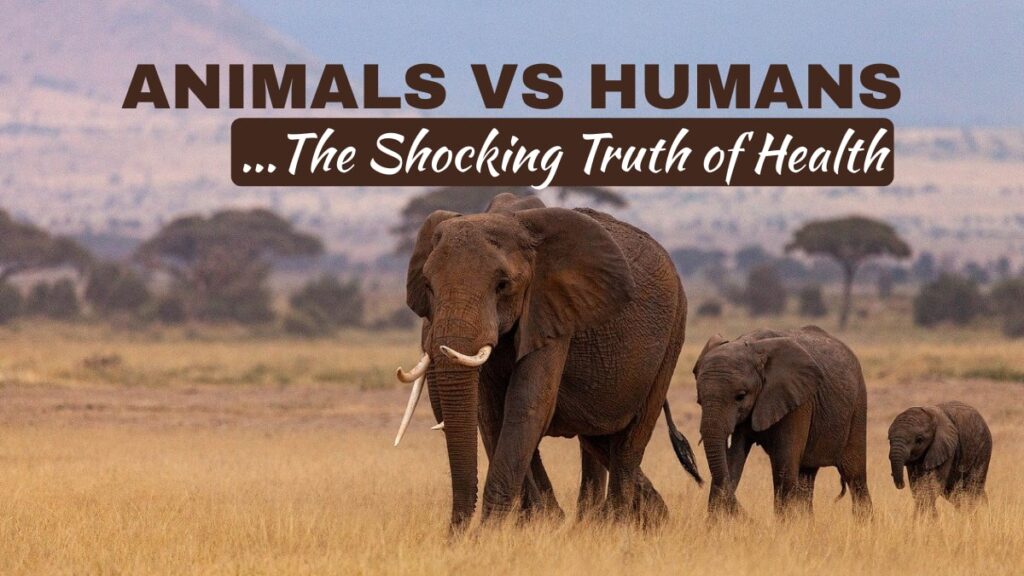
Have you ever wondered why wild animals generally remain healthy while humans frequently fall sick? Despite living in the wild, animals don’t visit doctors, take medicines, or follow any medical routines, yet they thrive. Meanwhile, humans, with access to modern medicine and advanced healthcare, struggle with diseases like diabetes, heart problems, and obesity. What makes the difference? Let’s uncover the shocking truth behind why animals stay healthy while humans suffer from frequent illnesses.
“The closer we stay to nature, the healthier we remain.”
Natural Diet vs. Processed Food
One of the biggest reasons animals stay healthy is their natural diet. Animals eat raw, organic food directly from nature. Herbivores eat fresh grass, leaves, and fruits, while carnivores consume raw meat. Their diet is rich in natural nutrients, unprocessed, and free from artificial chemicals.
On the other hand, humans have drifted away from natural eating habits. Our diet consists of processed foods loaded with artificial flavours, preservatives, and refined sugar. Fast food, junk food, and sugary drinks weaken our immune system, making us more prone to diseases. Unlike animals, who follow nature’s diet, humans have replaced healthy meals with unhealthy, convenient options.
Physical Activity vs. Sedentary Lifestyle
Wild animals are always moving. Whether it’s a lion hunting for food, a deer running from predators, or a monkey jumping from tree to tree, animals stay physically active throughout their lives. Their constant movement strengthens their muscles, keeps their hearts healthy, and prevents obesity.
Humans, however, have embraced a sedentary lifestyle. Most people spend hours sitting at desks, driving cars, or watching TV. Lack of physical activity leads to obesity, heart disease, and weakened immune systems. Unlike animals, who must move to survive, humans rely on technology and comfort, leading to declining health.
Natural Healing vs. Dependence on Medicines
Animals have an incredible ability to heal themselves naturally. If an animal gets injured, it rests and allows its body to recover. Their bodies fight infections without external help, and they instinctively know which plants or herbs can help them heal.
Humans, however, have become overly dependent on medicines. Instead of allowing the body to recover naturally, we rush to take antibiotics, painkillers, and other drugs. Overuse of medication weakens our immune system, making us more vulnerable to future illnesses. While modern medicine is useful in emergencies, excessive reliance on it can do more harm than good.
Connection with Nature vs. Disconnection from Nature
Animals live in harmony with nature. They breathe fresh air, drink natural water, and absorb sunlight daily. These elements are crucial for maintaining good health. Sunlight provides vitamin D, fresh air boosts lung function, and natural water is free from harmful chemicals.
In contrast, humans have distanced themselves from nature. We live in polluted cities, spend most of our time indoors, and drink chemically treated water. Lack of exposure to sunlight leads to vitamin D deficiency, causing weak bones and a weak immune system. Instead of embracing nature, we have built an artificial environment that negatively impacts our health.
Emotional Stability vs. Mental Stress
Animals experience emotions, but they don’t hold onto stress like humans. They live in the present moment, focusing on survival and immediate needs. When danger passes, they move on without carrying emotional baggage.
Humans, however, suffer from chronic stress, anxiety, and depression. Work pressure, financial struggles, and personal conflicts create mental stress, which weakens the immune system. Stress-related illnesses like high blood pressure, heart disease, and insomnia are common in humans but rare in wild animals.
Balanced Sleep vs. Sleep Deprivation
Animals follow a natural sleep cycle. They sleep when it’s dark and wake up with the sunrise. Their bodies follow the rhythm of nature, ensuring proper rest and recovery.
Humans, however, disrupt their sleep patterns with artificial lights, late-night screen time, and irregular schedules. Lack of sleep weakens the immune system, reduces brain function, and increases the risk of chronic diseases. Unlike animals, who respect nature’s sleep cycle, humans sacrifice sleep for work, entertainment, and social media.
Instinctive Eating vs. Emotional Eating
Animals eat only when they are hungry. Their instincts guide them to consume the right amount of food needed for survival. They do not overeat or eat out of boredom, stress, or emotions. Their natural eating habits help them maintain an ideal body weight and overall health.
Humans, however, often eat for reasons beyond hunger. Emotional eating due to stress, sadness, or boredom leads to unhealthy food choices and overeating. Processed snacks, sugary treats, and late-night cravings result in obesity, digestive issues, and lifestyle diseases. Unlike animals, humans have lost touch with their natural hunger signals.
Minimal Toxins vs. Exposure to Chemicals
Wild animals live in an environment free from artificial chemicals. They do not come in contact with pesticides, air pollution, synthetic skincare, or processed food additives. Their bodies remain free from harmful toxins, allowing them to function optimally.
Humans, however, are constantly exposed to chemicals in food, water, air, and personal care products. Pesticides in vegetables, pollutants in the air, and artificial ingredients in skincare lead to hormonal imbalances, allergies, and long-term health issues. Unlike animals, humans voluntarily expose themselves to harmful substances daily.
Community Living vs. Social Isolation
Many animals live in herds, packs, or colonies, where they support and protect each other. They communicate, share responsibilities, and work together for survival. Their strong social bonds reduce stress and promote emotional well-being.
Humans, despite living in large societies, often suffer from loneliness and isolation. Busy lifestyles, digital distractions, and lack of meaningful relationships contribute to mental health issues like depression and anxiety. Unlike animals, who thrive in close-knit communities, humans struggle to maintain real social connections.
Barefoot Connection vs. Disconnection from the Earth
Animals walk, run, and rest directly on the earth. Their feet are in constant contact with soil, grass, sand, and natural surfaces. This direct connection with the earth, known as “grounding”, helps regulate their body’s natural electrical balance, reduces inflammation, and improves overall health.
Humans, however, have disconnected from the earth by wearing shoes all the time and walking on artificial surfaces like concrete and asphalt. This lack of direct contact with nature disrupts the body’s energy balance and may contribute to stress, inflammation, and chronic pain. Unlike animals, humans have distanced themselves from the healing benefits of the earth.
Conclusion
Modern humans have drifted away from nature’s principles, leading to declining health and increasing lifestyle diseases. Unlike animals, who follow natural habits, humans have adopted artificial lifestyles that weaken their bodies and minds.
Animals thrive on a natural diet, consuming raw and organic food, while humans rely on processed, chemical-laden meals that harm their health. Animals stay physically active, whereas humans lead sedentary lives that contribute to obesity and heart disease. While animals heal naturally, humans have become over-dependent on medicines, weakening their immune systems.
Nature provides animals with fresh air, clean water, and sunlight, keeping them strong, while humans suffer from pollution, lack of outdoor exposure, and chemically treated water. Animals maintain emotional stability by living in the present, while humans struggle with stress, anxiety, and depression. Animals follow nature’s sleep cycle, ensuring proper rest, while humans disrupt their sleep with technology and artificial schedules.
Unlike animals, who eat instinctively, humans engage in emotional eating, leading to obesity and digestive problems. Animals live in minimal toxin environments, while humans expose themselves to pollutants, pesticides, and artificial chemicals daily. Social animals thrive in community living, reducing stress, while humans face loneliness and social isolation despite living in large societies. Lastly, animals maintain a direct connection with the earth, benefiting from its healing properties, while humans have lost this vital connection by wearing shoes and living on artificial surfaces.
If we truly wish to live healthier and happier lives, we must reconnect with nature. By adopting natural eating habits, staying active, reducing chemical exposure, managing stress, and restoring our bond with the earth, we can regain the strength, resilience, and vitality that nature intended for us. Animals follow nature’s wisdom instinctively—perhaps it’s time for humans to do the same.