
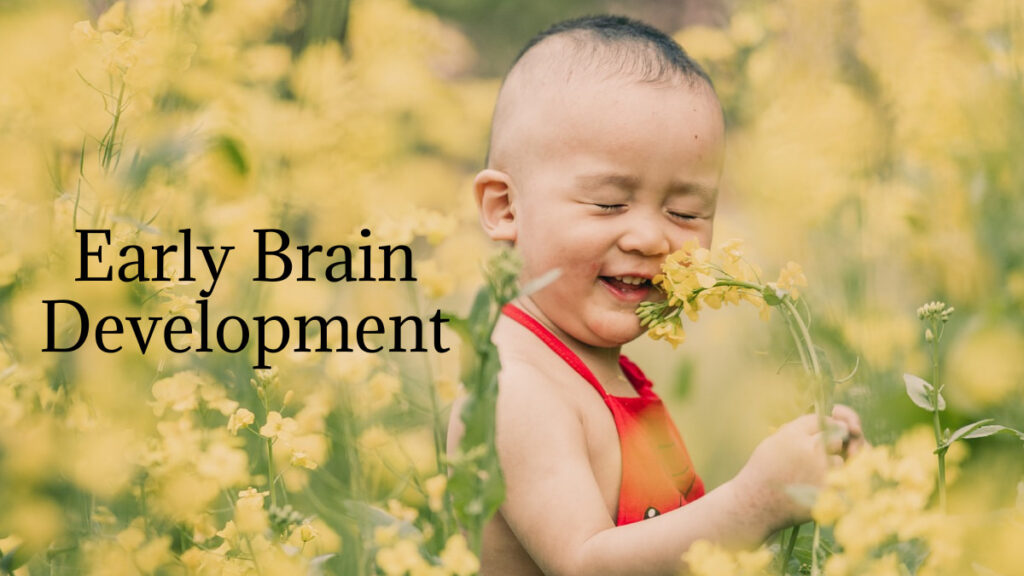
Early brain development is a fascinating and crucial aspect of human growth. During the first few years of life, a child’s brain undergoes rapid changes and growth. Three significant factors play a vital role in this early development: language, emotion, and social skills. Let’s explore how each of these elements contributes to shaping a child’s brain and their overall development.
“Children are not things to be molded, but are people to be unfolded.” – Jess Lair
The Role of Language
Language Acquisition: From the moment they are born, children are immersed in a world filled with language. They are constantly exposed to the sounds and rhythms of speech as their parents and caregivers talk, sing, and read to them. This continuous exposure is the foundation of language acquisition. In these early stages, babies begin to discern various sounds and patterns in the language they hear. They start to understand that certain sounds are associated with specific meanings. Over time, these sounds form words and sentences in the child’s mind. By the time they reach their first birthday, many children can say a few simple words like “mama” or “dada” and understand many more. This early period is crucial as it sets the stage for more complex language development in the following years.
Brain Development and Language: Learning language is not merely about being able to communicate; it plays a vital role in the development of the brain. When children hear and practice language, it activates multiple areas of their brain, particularly those responsible for processing sounds and comprehending meaning. This activity stimulates neural connections, enhancing the brain’s efficiency and capability. The more a child is exposed to language, the more these neural pathways are strengthened. This strengthening is akin to exercise for the brain, making it more adept at processing information, solving problems, and performing various cognitive tasks. Thus, language learning is fundamental to overall brain development and function.
Cognitive Skills: Language acquisition is deeply intertwined with the development of cognitive skills. As children learn to speak, they simultaneously learn to think. Language provides the tools for categorizing objects, understanding abstract concepts, and solving problems. For instance, when a child learns the word “apple,” they begin to recognize apples in different contexts and understand that despite variations in size, colour, or type, they all share common features that categorize them as apples. This ability to categorize and make connections is a fundamental cognitive skill. Moreover, language helps children understand relationships between different concepts, which is essential for more complex thinking and problem-solving. In essence, as children develop their language skills, they also build a foundation for their cognitive development.
Social Interaction: Language is an indispensable tool for social interaction. It enables children to express their needs, share their thoughts, and connect with others. These interactions are crucial for building relationships and developing social skills. Through conversations, children learn essential social norms such as taking turns, listening to others, and responding appropriately. These skills are fundamental for effective communication and socialization. For example, when a child engages in a conversation, they learn to wait for their turn to speak and to pay attention to what others are saying, which fosters mutual respect and understanding. These social interactions, facilitated by language, are essential for a child’s emotional and social development, helping them to navigate and build relationships in their social world.
The Impact of Emotion
Emotional Bonding: Emotional bonding between a child and their caregivers is fundamental to early brain development. This bond begins to form from the moment a child is born and is nurtured through consistent, loving interactions. When caregivers respond to a child’s needs with warmth, affection, and care, it creates a sense of security and trust in the child. This sense of security is crucial for healthy brain development because it provides a stable foundation for the child’s emotional well-being. Secure attachment formed through emotional bonding influences how a child perceives themselves and others, impacting their future relationships and emotional health. When children feel safe and loved, their brains are more receptive to learning and exploring, which promotes cognitive and social development.
Regulation of Emotions: Learning to regulate emotions is another critical aspect of early development. From infancy, children experience a wide range of emotions, including joy, anger, fear, and sadness. The ability to manage these emotions begins in early childhood when caregivers play a key role in soothing and comforting them. For example, when a baby cries, a caregiver’s immediate and comforting response helps the baby to calm down and feel safe. Over time, through repeated experiences of being comforted and supported, children begin to develop the ability to regulate their own emotions. This self-regulation is essential for effective social interactions, as it allows children to handle frustration, delay gratification, and navigate social situations calmly. Additionally, emotional regulation is crucial for overall mental health, helping children to manage stress and build resilience.
Impact on Brain Structure: Emotions have a direct impact on brain structure and function. Positive emotions, such as joy, love, and excitement, release chemicals like dopamine and oxytocin in the brain. These chemicals play a significant role in promoting brain growth and development by enhancing neural connections and increasing the brain’s plasticity. Positive emotional experiences help to build a brain that is capable of learning and adapting. On the other hand, chronic stress and negative emotions can have detrimental effects on brain development. Prolonged exposure to stress can lead to the release of harmful chemicals like cortisol, which can impair brain function and structure. This can affect areas of the brain involved in learning, memory, and emotional regulation, potentially leading to long-term issues with cognitive abilities and behaviour. Therefore, a nurturing and emotionally supportive environment is crucial for healthy brain development.
Social Skills and Empathy: Emotions are closely linked to the development of social skills. Children who can recognize and understand their own emotions are better equipped to understand the emotions of others. This ability, known as empathy, is critical for forming healthy and meaningful relationships. Empathetic children are more likely to share, cooperate, and resolve conflicts effectively. When children can put themselves in someone else’s shoes and feel what they are feeling, they are better able to respond with kindness and compassion. This fosters positive social interactions and helps children build strong, supportive relationships. Empathy also plays a significant role in moral development, as it encourages children to think about the impact of their actions on others and to behave in socially responsible ways. Developing empathy and social skills early on sets the stage for successful interpersonal relationships throughout life.
The Importance of Social Skills
Building Relationships: Social skills are crucial tools that children use to interact effectively with others. These skills encompass various abilities such as communication, cooperation, and conflict resolution. Developing strong social skills is vital for building and maintaining relationships with family, friends, and peers. When children are adept in social interactions, they are more likely to experience positive interactions and form meaningful connections. For instance, a child who can effectively express their thoughts and listen to others is better equipped to build friendships and resolve conflicts. This ability to communicate and connect lays the foundation for strong, supportive relationships that contribute to a child’s emotional and social well-being.
Role of Play: Play is a natural and enjoyable way for children to develop and enhance their social skills. Through play, children learn essential social behaviours such as negotiating, taking turns, and following rules. These interactions are often spontaneous and creative, allowing children to practice empathy and understanding. For example, when children engage in imaginative play, they often pretend to be different characters, which helps them see things from various perspectives and understand the feelings and motivations of others. This type of play not only enhances their ability to empathize but also builds their capacity for cooperation and teamwork. Through these playful interactions, children develop critical social skills in a fun and engaging manner.
Group Activities: Participation in group activities, such as preschool programs or playgroups, offers children structured opportunities to practice and refine their social skills. These settings are particularly beneficial as they provide a controlled environment where children can learn how to function effectively within a group. For example, in a preschool setting, children learn to follow instructions, share resources, and work collaboratively towards common goals. These group experiences teach children important social norms and expectations, such as waiting their turn, listening to others, and contributing to group tasks. By engaging in group activities, children not only develop their social skills but also gain confidence in their ability to interact with peers in various social contexts.
Problem-Solving and Cooperation: Social skills extend beyond simple interactions; they also involve critical problem-solving and cooperation. When children play or work together, they often encounter challenges that require them to think critically and find solutions collaboratively. For example, during a group project or a team game, children might need to negotiate roles, develop strategies, and resolve disagreements. These experiences help children learn how to approach problems logically, consider different perspectives, and work together to achieve a common goal. This cooperative problem-solving not only strengthens their social skills but also builds resilience and adaptability. These are essential traits that will benefit them throughout their lives, helping them navigate social and academic challenges successfully.
Supporting Early Brain Development
Encouraging Language Development: Parents and caregivers play a crucial role in supporting language development. Engaging in conversations with children, reading aloud, and encouraging self-expression are simple yet effective strategies. Singing songs, playing word games, and involving children in storytelling activities also promote language skills. These interactions provide children with the vocabulary and linguistic structures needed for effective communication, setting the stage for academic and social success.
Fostering Emotional Well-Being: Creating a loving and supportive environment is essential for fostering emotional well-being. Caregivers who respond to children’s needs with empathy and understanding help them feel secure and valued. Teaching children to recognize and express their emotions in healthy ways supports their emotional development. For instance, helping children label their feelings and providing appropriate outlets for emotional expression can prevent frustration and promote emotional regulation. These practices contribute to a child’s ability to manage their emotions effectively, enhancing their overall well-being.
Promoting Social Skills: Social skills can be nurtured through various forms of play and interaction. Providing opportunities for children to play with others, both in structured settings like preschool and in free play scenarios, helps them develop essential social skills. Encouraging cooperative activities, such as group games and team projects, teaches children to work together and resolve conflicts. Teaching problem-solving strategies equips children with the tools to navigate social challenges independently. These experiences foster social competence and prepare children for successful interactions throughout their lives.
Creating a Stimulating Environment: A stimulating environment rich in sensory experiences supports all aspects of early brain development. Providing a variety of toys and materials for exploration encourages curiosity and cognitive growth. Engaging in activities that challenge and interest children, such as puzzles and building blocks, promotes problem-solving skills. Offering experiences that involve different senses, such as touch, sight, and sound, enhances sensory integration and brain development. Creating an environment that stimulates the senses and encourages exploration fosters holistic development and helps children reach their full potential.
Conclusion
Early brain development is a complex and dynamic process influenced by language, emotion, and social skills. These three elements are interconnected and play a crucial role in shaping a child’s brain and overall development. By understanding and supporting these building blocks, parents, caregivers, and educators can help children reach their full potential and lay the foundation for a healthy, successful life. Providing a nurturing, stimulating, and supportive environment is key to promoting early brain development and ensuring that children thrive.