
• Author
  • Copyright Report
  • Privacy Policy
  • Terms & Condition
  • Contact
  • About
Wednesday, June 24, 2026
Fastlane Freedom
No Result
View All Result
  • Mindfulness
  • Money
  • Grow Business
  • Essential Reading
  • Popular Quotes
  • Student
  • Parenting
  • Videos
  • About
  • Contact
  • Mindfulness
  • Money
  • Grow Business
  • Essential Reading
  • Popular Quotes
  • Student
  • Parenting
  • Videos
  • About
  • Contact
No Result
View All Result
Fastlane Freedom
No Result
View All Result
  • Author
  • Copyright Report
  • Privacy Policy
  • Terms & Condition
  • Contact
  • About

Home » Overcoming Addiction: Exploring the 12-Step Program

Overcoming Addiction: Exploring the 12-Step Program

Vinod Singh by Vinod Singh
September 16, 2023
Reading Time: 5 mins read
A A
0
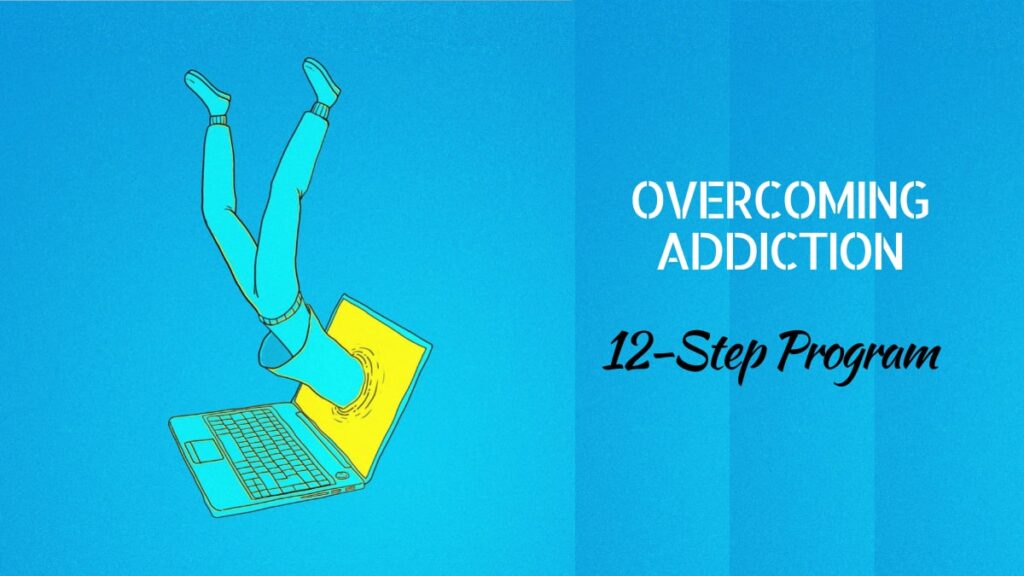
Overcoming Addiction

Table of Contents

One famous technique that has been widely used for overcoming addiction is the “12-Step Program.” The most well-known 12-step Program is Alcoholics Anonymous (AA), which was founded in 1935 and has served as a model for many other addiction recovery programs. The 12-Step Program is based on a set of guiding principles and actions aimed at helping individuals achieve and maintain sobriety. While originally developed for alcohol addiction, the principles of the 12-Step Program have been adapted for various types of addiction.

“The only person you are destined to become is the person you decide to be.” – Ralph Waldo Emerson

Step 1, Admitting Powerlessness: In this initial step, individuals acknowledge that their addiction has taken control and that their attempts to manage it have been unsuccessful. This involves recognizing that the substance or behaviour has become unmanageable and that their willpower alone is not enough to overcome it. For example, someone struggling with alcohol addiction might reflect on instances where they promised themselves they would only have one drink, but found themselves unable to stop once they started.

Step 2, Believing in a Higher Power: Step 2 encourages individuals to believe in a higher power or force beyond themselves that can provide support in their journey to recovery. This higher power doesn’t necessarily need to be a religious concept; it can be interpreted in a way that is meaningful to the individual. For instance, a person might view their higher power as the collective wisdom and strength of the recovery community they are a part of.

Step 3, Turning Control Over: Building on the belief in a higher power, Step 3 involves making a conscious decision to turn over control of their addiction to this higher power. This step represents a shift from trying to fight the addiction on their own to seeking external support. For example, someone struggling with drug addiction might realize that despite their best efforts, they have been unable to quit, and they decide to rely on their higher power to guide them through recovery.

Step 4, Taking a Moral Inventory: Step 4 requires individuals to take a thorough and honest inventory of their character flaws, resentments, fears, and past wrongdoings that may have contributed to or resulted from their addiction. This step often involves creating a written list to better understand their behaviours. For instance, a person with a gambling addiction might list instances where their impulsive behaviour led to financial difficulties and strained relationships.

Step 5, Admitting Wrongdoings: Following the inventory in Step 4, Step 5 involves admitting the exact nature of one’s wrongs to oneself, the higher power, and another person, typically a sponsor or counsellor. This step emphasizes accountability and honesty. For example, an individual struggling with internet addiction might admit to their sponsor how their excessive online gaming has affected their work performance and neglected personal responsibilities.

Step 6, Being Ready for Change: Step 6 involves being ready and willing to let go of one’s character defects and negative behaviours that have contributed to addiction. It’s a pivotal moment of self-awareness and acceptance, where an individual acknowledges their imperfections and is open to personal growth.

Imagine someone struggling with alcohol addiction who recognizes that their impulsive and reckless behaviour has caused harm to themselves and their loved ones. In Step 6, this person realizes that they need to change these character traits to lead a healthier and more responsible life. They develop a strong willingness to work on their impulsivity and reckless tendencies.

Step 7, Asking for Change: Step 7 follows the willingness cultivated in Step 6. It involves humbly asking a higher power for help in removing the identified character defects. This step emphasizes surrendering the control over these shortcomings and seeking assistance to make lasting changes.

Continuing from the previous scenario, the person acknowledges their impulsivity and recklessness as character defects. In Step 7, they engage in prayer or meditation to connect with their higher power, seeking guidance and strength to overcome these traits. They might say, “I humbly ask for the willingness and strength to overcome my impulsive behaviour and to be more considerate of the consequences of my actions.”

Step 8, Making Amends: Step 8 involves compiling a list of individuals who have been harmed by the addict’s actions, directly or indirectly. This step requires a sincere effort to recognize the impact of one’s behaviour on others and a commitment to taking responsibility for these actions.

Continuing with the same person, they create a list of people they’ve hurt through their reckless behaviour – perhaps friends they’ve alienated, family members they’ve disappointed, and employers they’ve let down. This list helps them understand the extent of the damage caused by their addiction. It’s a crucial step toward taking ownership of their past actions.

Step 9, Making Direct Amends: In this step, individuals take the list of people they have harmed and actively work to make amends and repair the damage caused. This could involve apologizing to people who were hurt, taking responsibility for one’s actions, and seeking ways to right the wrongs. For example, if someone stole money from a family member to support their addiction, they might repay the money and express genuine remorse for their actions.

Step 10, Continuing Self-Reflection: Step 10 encourages individuals to engage in ongoing self-reflection and promptly admit when they are wrong. It’s about staying accountable for one’s behaviour and addressing issues as they arise. For instance, if someone realizes they’ve been acting out of impatience and irritability, they can promptly acknowledge their behaviour, apologize if necessary, and work on finding healthier ways to cope with frustration.

Step 11, Practicing Spiritual Connection: Step 11 involves deepening one’s connection to a higher power through prayer and meditation. This step is about seeking guidance, serenity, and strength to overcome challenges. For example, an individual might set aside time each day for meditation and prayer, seeking the clarity and peace of mind needed to stay on the path of recovery.

Step 12, Helping Others: The final step emphasizes giving back and supporting others in their own recovery journeys. This can involve sharing one’s own experiences, offering guidance, and being a source of inspiration. For instance, someone who has successfully overcome addiction might become a mentor to someone newer in recovery, providing encouragement, advice, and a sense of camaraderie.

RELATED POSTS

Stop Over-Conscious Parenting: Raising Confident Kids

Great Entrepreneurs Aren’t Perfect—But They Build the Future

Why the World Needs More Risk-Takers, Not More Critics

Escaping the Traffic Jam of Stress, Salary & Spreadsheets

Why Saving Money Is Like Dieting—Easier Said Than Done

Meetings: Where Minutes Are Taken and Hours Are Lost

It’s important to note that the 12-Step Program is not the only approach to addiction recovery, and different techniques may work better for different individuals. Some people may find the spiritual aspect of the program valuable, while others might prefer a more secular or cognitive-behavioural approach. Additionally, seeking professional guidance from therapists, counsellors, and medical professionals is often recommended when pursuing addiction recovery.

Featured reads

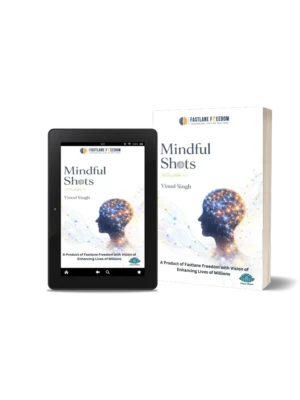
Mindful Shots, Volume-1 cover
Mindful Shots, Volume-1
Vinod Singh
Self-Help, Mindfulness

Mindful Shots, Volume-1

Vinod Singh

4.5 · reviews

Most people live their entire lives without truly understanding how their minds work or the immense power they hold within. Fewer than two percent of people can confidently answer questions like: What drives my thoughts? Why do I feel resistance to my own goals? You’ve likely experienced moments when you wanted to take a bold step—perhaps starting a new business or making a life-changing decision—only to hear an inner voice warning you of failure. That voice often justifies its fears by recalling countless stories of others’ setbacks—family members, friends, society, even distant headlines. It’s as if your mind maintains a detailed archive of every failure around you, replaying them to keep you from moving forward. But what if this inner voice could be understood, reprogrammed, and even turned into your greatest ally? Imagine what would be possible if both your conscious intentions and subconscious patterns worked together instead of pulling in opposite directions. This collection, Mindful Shots, brings together some of the most insightful writings on mindfulness from Fastlane Freedom. Each piece explores practical and scientific perspectives on how the mind shapes our choices, influences our health, and even participates in physical healing. Through research-backed insights and timeless wisdom, this book will help you see that the mind isn’t just a passive observer—it’s an active force capable of changing your reality. By learning how to quiet the noise, shift your mental inputs, and harness your inner voice, you’ll gain a clearer path to personal growth, emotional balance, and a deeper understanding of what mindful living truly means.

Amazon Flipkart
Parenting Essentials cover
Parenting Essentials
Vinod Singh
Self-Help, Parenting

Parenting Essentials

Vinod Singh

4.5 · reviews

Parenting is a journey—one of the most rewarding, challenging, and transformative experiences life has to offer. But it’s not a path we are meant to walk alone. Essential Parenting was born out of a deep desire to support and empower parents at every stage of their journey, from the early days of pregnancy to the complex teenage years. Drawing insights from the Fastlane Freedom platform, this book brings together wisdom, mindfulness, and practical strategies to help you raise confident, emotionally strong, and value-driven children. At Fastlane Freedom, we believe that conscious parenting begins with self-awareness. Children absorb more from our behaviour than our words. It’s in our everyday actions—our calm during chaos, our patience in moments of frustration, our consistency in values—that they find their foundation. Parenting is not about being perfect; it’s about being present, intentional, and compassionate.

Amazon Flipkart
The Wealth Code, Volume-1 cover
The Wealth Code, Volume-1
Vinod Singh
Self-Help, Finance

The Wealth Code, Volume-1

Vinod Singh

4.5 · reviews

The Wealth Code: Volume-1 is a personal development and financial education book written by Vinod Singh. It is designed to empower readers by teaching them principles of wealth creation, financial freedom, and personal growth. The book offers practical strategies to achieve financial success, with a vision to uplift and transform the lives of millions by promoting financial literacy and entrepreneurial thinking. Mr. Singh's approach is rooted in inspiring individuals to take control of their financial destinies while cultivating a mindset focused on long-term success and abundance.

Amazon Flipkart
ShareSendTweetPinShareShareShareShareShareShareBookmarkShare
Vinod Singh

Vinod Singh

In 2019, Vinod Singh, a Belief Changer, founded Fastlane Freedom after 3.5 years of research on Mindfulness and its connection to money. Fastlane Freedom is driven by a vision: ‘Enhancing Lives of Millions’ by reshaping people’s beliefs to transform their financial situations. With 16 years of professional experience, Vinod dedicates himself to providing top-notch, practical content on Mindfulness, Money, Business, Parenting, Popular Quotes and Student Life.

Related Posts

Stop Over-Conscious Parenting

Stop Over-Conscious Parenting: Raising Confident Kids

June 21, 2026
Great Entrepreneurs Aren't Perfect

Great Entrepreneurs Aren’t Perfect—But They Build the Future

June 17, 2026
The World Needs More Risk-Takers

Why the World Needs More Risk-Takers, Not More Critics

June 15, 2026
Escaping the Traffic Jam of Stress, Salary & Spreadsheets

Escaping the Traffic Jam of Stress, Salary & Spreadsheets

June 7, 2026
Saving Money Is Like Dieting

Why Saving Money Is Like Dieting—Easier Said Than Done

June 6, 2026
meetings

Meetings: Where Minutes Are Taken and Hours Are Lost

June 2, 2026
Analysis paralysis

Analysis Paralysis: The Silent Success Killer Nobody Talks About

May 31, 2026
The Power of Selective Blindness

The Power of Selective Blindness: Why Success Often Requires Ignoring the Noise

May 29, 2026
The Market Rewards Patience, Not Panic

The Market Rewards Patience, Not Panic – Fastlane Freedom

May 28, 2026
Load More

Support Ad-Free Content

Dear Valued Reader,

At Fastlane Freedom, we believe in delivering the highest quality content without the distraction of ads. Our platform is dedicated to enriching your life with insightful blogs on Mindfulness, Financial Wisdom, Business Strategies, Student Success, and Effective Parenting.

To keep our content free from ads and accessible to all, we need your support. Your donation helps us maintain our commitment to providing valuable, ad-free resources that empower you to thrive in every aspect of life.

Join us in our mission to “Enhancing Lives of Millions” by fostering knowledge and growth. Every contribution is invaluable and directly enhances the quality and accessibility of our content. Donate now and help us continue to make a difference!

Support Now

Main Category

  • Mindfulness
  • Money
  • Grow Business
  • Essential Reading
  • Popular Quotes
  • Student
  • Parenting
  • Videos
  • About
  • Contact

Money

  • Power of Compounding
  • Learn from Rich People
  • Power of Saving
  • Money Tips
  • Financial Freedom
  • Debt Management

Grow Business

  • Business Tips
  • Workplace Practices
  • Marketing Tips
  • Entrepreneurship
  • Success Rules
  • Leadership
  • Productivity Improvement

Mindfulness

  • Subconscious Mind
  • Growth Mindset
  • Overcome Fear
  • Success Habits
  • Achieve Goals
  • Happiness Secrets

Parenting

  • Before Birth Facts
  • Health and Wellness
  • Parenting Tips and Strategies

Student

  • Early Success Secrets
  • Study Tips
  • Career Goals

© 2026 fastlanefreedom.com - Design and Manage by Binary Techne.

No Result
View All Result
  • Money Blogs
  • Essential Reading
  • Mindfulness
  • Grow Business
  • Parenting
  • Student
  • Popular Quotes
  • About
  • Contact

© 2026 fastlanefreedom.com - Design and Manage by Binary Techne.